




Remembering Chashi Nazrul Islam on His Death Anniversary: A Legend of Bangladeshi Cinema
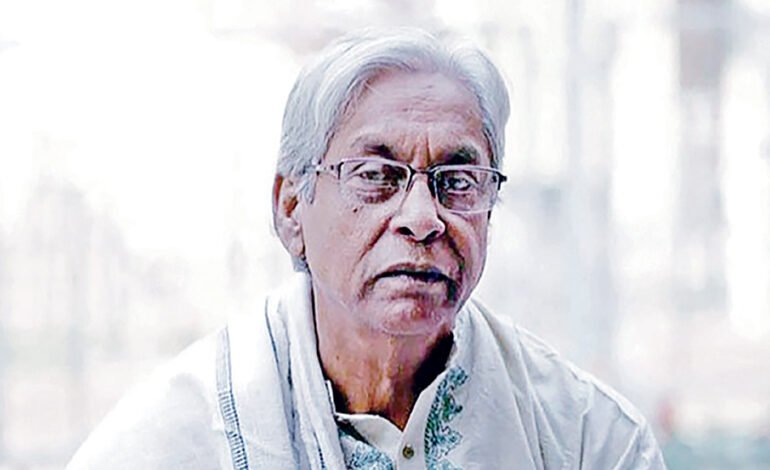

Remembering Chashi Nazrul Islam: A Legend of Bangladeshi Cinema on His Death Anniversary
Today, Bangladesh remembers Chashi Nazrul Islam, one of its most celebrated film directors, screenwriters, and cultural icons, on his death anniversary. Born in 1941, Chashi Nazrul Islam played a pivotal role in shaping Bangladeshi cinema by creating films that blended literary depth, historical relevance, and social consciousness. His passing in 2015 marked the end of an era, but his legacy continues to influence filmmakers, audiences, and cultural enthusiasts across Bangladesh and beyond.
A Life Dedicated to Cinema and Culture
Chashi Nazrul Islam entered the Bangladeshi film industry during a time when the country was establishing its post-independence cultural identity. He quickly became known for his commitment to quality storytelling, character-driven narratives, and faithful literary adaptations. Throughout his career, he sought to create films that were not only entertaining but also educational and culturally significant, reflecting the struggles, triumphs, and heritage of Bangladesh.
Notable Works That Shaped Bangladeshi Cinema
Chashi Nazrul Islam’s filmography is distinguished by both diversity and depth. His works often explored historical, social, and literary themes, bridging the gap between art and popular cinema.
Ora 11 Jon
One of his most acclaimed films, Ora 11 Jon, is a Liberation War epic portraying the courage and sacrifice of Bangladeshi freedom fighters in 1971. The film remains a landmark in Bangladeshi cinema for its realistic depiction of the war and its tribute to the nation’s heroes. It continues to be shown on national television during Independence and Victory Day commemorations.
Dasyu Rani
In Dasyu Rani, Chashi Nazrul Islam showcased his ability to combine romance, adventure, and social themes. Set against a historical backdrop, the film explored the struggles of marginalized communities and the fight for justice, making it both compelling and socially relevant.
Bipodjonok
Bipodjonok demonstrated his range as a filmmaker beyond historical narratives. This film examined class struggle and moral dilemmas, reflecting the director’s interest in socially conscious storytelling. His focus on strong characters and ethical conflict resonated deeply with audiences.
Surokkha
With Surokkha, Chashi Nazrul Islam ventured into thriller territory, proving his versatility. The film combined suspense with critical social commentary, illustrating that his directorial skill was not confined to any single genre.
Literary Adaptations
Apart from original works, Chashi Nazrul Islam was a pioneer in bringing Bengali literature to the silver screen. He adapted works by renowned authors like Kazi Nazrul Islam, Rabindranath Tagore, Sarat Chandra Chattopadhyay, and Bankim Chandra Chattopadhyay, making literary classics accessible to wider audiences while preserving cultural authenticity.
Achievements and Awards
Chashi Nazrul Islam’s contribution to Bangladeshi cinema earned him numerous awards and national recognition:
-
National Film Award for Best Director for multiple films
-
Ekushey Padak, one of Bangladesh’s highest civilian honors, recognizing his contribution to culture and the arts
-
Lifetime achievement awards from several film organizations
His recognition reflects both popular acclaim and institutional acknowledgment of his impact on the Bangladeshi cultural landscape.
Legacy in Bangladeshi Film Industry
Chashi Nazrul Islam is remembered as a mentor and inspiration to younger filmmakers. Many contemporary directors credit him with setting high standards for storytelling, technical discipline, and social responsibility in cinema.
He demonstrated that Bangladeshi films could:
-
Respect literary traditions while entertaining audiences
-
Address historical and social issues with nuance
-
Inspire civic pride and cultural reflection
His emphasis on quality, authenticity, and meaningful content has influenced decades of filmmakers, helping to shape a modern Bangladeshi cinema that values both art and impact.
Cultural Impact Beyond Cinema
Beyond the silver screen, Chashi Nazrul Islam contributed significantly to Bangladeshi national identity and cultural memory. His films, especially those depicting the Liberation War, continue to educate new generations about the struggles and sacrifices that led to Bangladesh’s independence in 1971.
By focusing on historical accuracy, human emotion, and moral reflection, his work has transcended entertainment, becoming part of Bangladesh’s collective memory. His films are regularly screened on:
-
Victory Day (December 16)
-
Independence Day (March 26)
-
National cultural festivals
Through this enduring presence, his work continues to influence public understanding of history, literature, and social values.
International Relevance
Chashi Nazrul Islam’s focus on literature, social issues, and historical narratives gives his films a universal appeal. While deeply rooted in Bangladeshi culture, his films reflect broader human experiences such as:
-
Struggle for freedom and justice
-
Ethical dilemmas in society
-
Resilience in the face of adversity
Film scholars and enthusiasts outside Bangladesh study his works for insights into South Asian cinema, post-colonial storytelling, and cultural adaptation of literature. Festivals and retrospectives abroad occasionally showcase his films, highlighting the global relevance of his contribution to cinema.
Remembering Chashi Nazrul Islam Today
On this day, fans, filmmakers, cultural organizations, and national institutions pay tribute to Chashi Nazrul Islam by:
-
Screening his classic films across Bangladesh
-
Hosting panel discussions on his contributions to cinema and culture
-
Documenting his life and works for educational purposes
-
Honoring him at film festivals and commemorative events
These activities ensure that his legacy is not only remembered but continues to inspire new generations of artists, storytellers, and citizens who value cultural heritage.
Conclusion
Chashi Nazrul Islam was more than a filmmaker; he was a cultural architect, a storyteller, and a guardian of Bangladeshi heritage. His films blend artistry with social purpose, literature with visual storytelling, and history with contemporary reflection.
As Bangladesh marks his death anniversary today, it is a moment to reflect on his invaluable contributions, celebrate his timeless works, and ensure that his vision for socially conscious and culturally rich cinema continues to thrive.
Through his films, Chashi Nazrul Islam remains a guiding light in the world of Bangladeshi cinema, proving that true artistry resonates across time and borders.