



BPL Trimmed to 5 Teams: Will Fewer Teams Improve BPL’s Quality


Will Fewer Teams Improve BPL’s Quality?
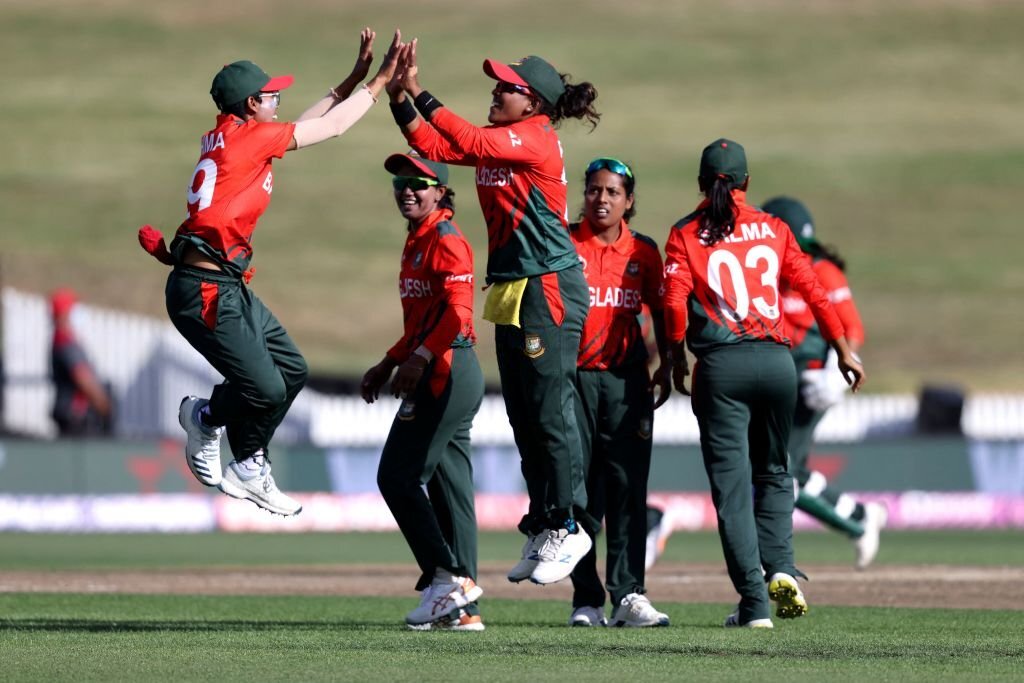
The Bangladesh Premier League (BPL) 2026 season is set for a major structural shift as the tournament trimmed to just five teams. The Bangladesh Cricket Board (BCB) and the BPL governing council said the decision aim to create a more sustainable and competitive tournament. But how will it affect the quality of cricket, fan engagement, and the league’s overall brand value?
This article explores whether a smaller BPL can actually raise standards or risk shrinking its reach — and how this move fits into global franchise cricket trends.
A Leaner League: Why the BPL Is Going Back to Five Teams
BCB and the BPL Governing Council have confirmed the next edition will feature five franchises: Dhaka, Rangpur, Chattogram, Sylhet and Rajshahi — owned by Champion Sports (Remark-Harllan), Toggi Sports (Bashundhara Group), Triangle Services, Cricket With Sami and Nabil Group respectively.
Over the years, the BPL has seen fluctuating team counts, from seven franchises at its peak to now just five. The league has often faced challenges like financial instability, inconsistent franchise management, and scheduling conflicts with international fixtures.
By returning to a five-team format, the BCB hopes to simplify operations, ensure financial discipline, and focus on quality over quantity. Officials believe fewer teams mean stronger squads, fewer logistical hurdles, and more evenly matched contests.
According to BPL governing body, the decision also takes into account national team commitments — such as the upcoming tours and the busy international calendar leading up to the ICC T20 World Cup.
The Case for Quality: Stronger Teams, Better Matches
One of the main arguments for reducing the number of teams is the potential to raise the overall standard of play. With the country’s best local talent distributed among fewer squads, each side can field stronger lineups featuring national team stars and top foreign players.
Smaller leagues often see tighter, more competitive games — a key factor in attracting global viewership. The BPL can draw lessons from leagues like the Big Bash in Australia and the CPL in the Caribbean, both of which maintain a limited number of teams yet deliver high-quality contests.
Moreover, fewer teams allow better team balance and strategic depth. Coaches and selectors can prioritize form and fitness instead of filling roster spots. That focus could also help improve young players’ exposure by letting them share dressing rooms with established internationals.
The Fan Dilemma: Less Reach, More Rivalry
However, reducing the number of teams comes with potential drawbacks — particularly for fans. The BPL has always had strong regional affiliations, with franchises like Sylhet Strikers, Rangpur Riders, and Comilla Victorians building passionate fan bases. Cutting down teams may exclude some regions, leaving local supporters without a home side.
Fewer franchises could also mean fewer local stadiums hosting matches, concentrating the tournament in a handful of venues like Dhaka and Chattogram. While this may streamline logistics, it risks alienating fans in other divisions who feel disconnected from the action.
Yet, on the flip side, fewer teams can intensify existing rivalries. A leaner BPL might highlight marquee clashes — Comilla vs Rangpur, Barishal vs Khulna — that generate more anticipation and consistent storylines throughout the season.
Economic Implications: Sustainability Over Expansion
From an economic standpoint, this restructuring could help stabilize the league’s finances. The BPL has occasionally faced delayed player payments and disputes between franchise owners and the board. With fewer teams, financial oversight becomes easier, and revenue distribution can be more equitable.
Sponsors and broadcasters may also benefit. A shorter, higher-quality tournament could reduce operational costs while maintaining strong ratings. As global cricket calendars become increasingly congested, focusing on a leaner, efficient league may help the BPL carve out a stable window in the international market.
Global Context: Learning from Other Leagues
The BPL’s decision mirrors trends seen in other cricket markets. Leagues like South Africa’s SA20 and the UAE’s ILT20 have emphasized quality over expansion, focusing on sustainable team numbers and professional management. Similarly, the IPL initially grew cautiously, prioritizing stability before adding new franchises.
Globally, franchise leagues are also grappling with scheduling conflicts, player fatigue, and rising costs. By scaling down, Bangladesh’s top T20 league might position itself as a more disciplined and globally viable competition, rather than chasing expansion for short-term gain.
This approach aligns with Bangladesh’s growing ambition to modernize its cricket infrastructure and governance, making the league more appealing to foreign investors and broadcasters.
What It Means for Players and Development
A key question remains: will fewer teams mean fewer opportunities for emerging Bangladeshi cricketers? With around 3,000 professional players in the domestic system, a reduced BPL could limit the number of available spots.
However, the BCB can offset this through developmental programs, secondary T20 tournaments, or mandatory local player quotas within each franchise. This ensures that the best young talents still get exposure to high-level competition.
A smaller pool of teams could also lead to improved coaching, analytics, and player management resources — areas that have historically been underdeveloped in the league.
Bangladesh’s Role in the Global T20 Ecosystem
The move also connects to Bangladesh’s broader position in the global cricket economy. As T20 leagues across Asia — like the PSL, ILT20, and LPL — compete for attention, the BPL’s restructured format could help it stand out by offering reliability and consistency.
Bangladesh’s growing economic strength and cricketing passion make it a key market for sponsors and broadcasters. If managed efficiently, a five-team BPL could become a model for sustainable franchise cricket in developing nations — balancing entertainment, economics, and national priorities.
The Verdict: Quality Over Quantity?
Ultimately, the success of a five-team BPL will depend on execution. If the league can maintain high production values, competitive cricket, and fan engagement, the reduced structure might actually elevate the tournament’s global appeal.
However, striking a balance between sustainability and inclusivity will be crucial. Fans from every corner of Bangladesh must still feel connected to the league — even if their regional franchise is absent.
The coming season will serve as a critical test for the BPL’s evolution. Whether it becomes a leaner, stronger competition or a limited spectacle will define the league’s trajectory in the global T20 landscape.