


Bangladesh’s T20 World Cup Participation Under Cloud After Mustafiz row
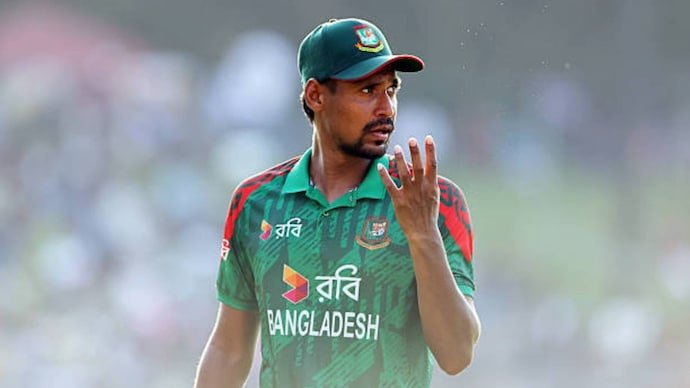

Bangladesh’s T20 World Cup Participation Under Cloud: Controversy, Security Concerns and Cricket Diplomacy
As the ICC Men’s T20 World Cup 2026 approaches, Bangladesh’s participation in the tournament is facing unprecedented uncertainty. Scheduled to be co-hosted by India and Sri Lanka from 7 February to 8 March 2026, the event has become entangled in diplomatic strains and controversy hinging on the exclusion of Bangladesh’s star pacer Mustafizur Rahman from the Indian Premier League (IPL) squad. The repercussions have put Bangladesh’s group stage fixtures in India under scrutiny, raising questions about player safety, political tensions, and the future of international cricket relations in South Asia.
Bangladesh, placed in Group C alongside the West Indies, England, Italy and Nepal, is scheduled to play three matches at Eden Gardens in Kolkata and one at Wankhede Stadium in Mumbai. However, calls are rising in Dhaka to relocate these matches to venues outside India, most prominently Sri Lanka, citing security concerns that have now crystallised around the Mustafizur controversy.
Mustafizur Rahman Controversy: Catalyst for Uncertainty
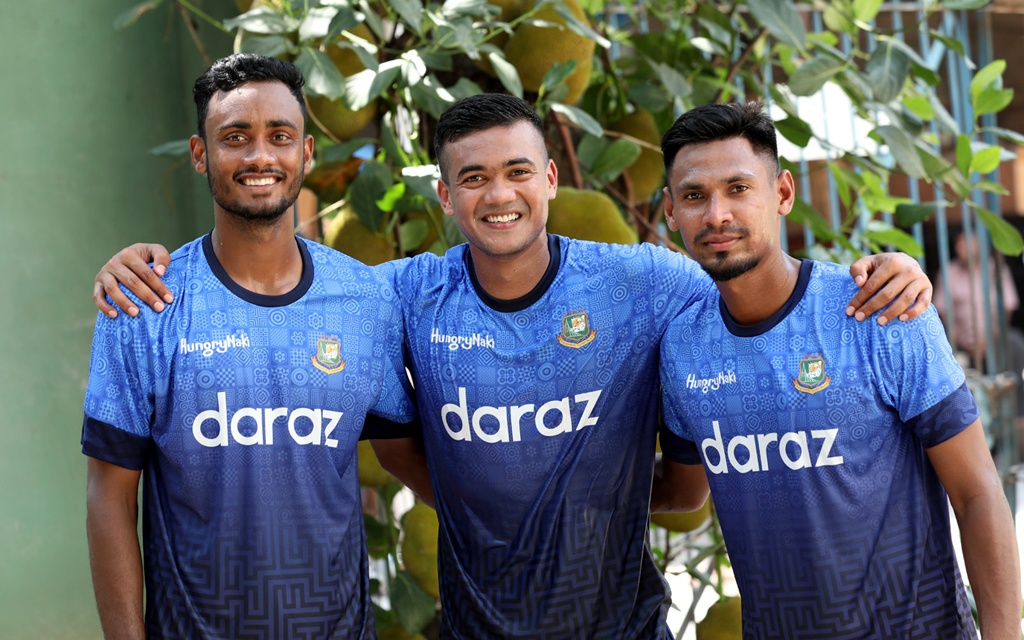
The immediate backdrop to Bangladesh’s World Cup predicament stems from events at the IPL 2026 mini-auction. Mustafizur Rahman, one of Bangladesh’s most successful T20 bowlers and a marquee signing for the Kolkata Knight Riders (KKR), was unexpectedly dropped by the franchise following a directive from the Board of Control for Cricket in India (BCCI).
Mustafizur had been contracted for ₹9.2 crore (approx USD 1.02 million), a record price for a Bangladeshi player, making his release particularly striking. The BCCI clarified that the decision was made in light of “recent developments” without specifying operational or security reasons.
This move was widely interpreted in Bangladesh as politically motivated and insensitive to player welfare, triggering national outrage among fans, players and government officials. It has now become a focal point in cricket diplomacy, with the incident propelling broader concerns about Bangladesh’s participation in one of the sport’s most prestigious global events.
Bangladesh Government and BCB Response
In a strong response, Bangladesh’s interim government and senior advisers publicly questioned the safety and dignity of Bangladeshi cricketers competing in India. Asif Nazrul, Youth and Sports Adviser to the government, described the removal of Mustafizur as an “insult” to Bangladesh and its cricketers, and instructed the Bangladesh Cricket Board (BCB) to engage with the International Cricket Council (ICC) to address the issue.
Nazrul argued that if a contracted player cannot be guaranteed safety and participation in India despite his valid professional engagement, then it would be unreasonable to expect the entire national team to travel there for World Cup fixtures. Consequently, he recommended that Bangladesh formally request the ICC to relocate its group stage matches to Sri Lanka.
The government also reportedly asked that Indian Premier League broadcasts be suspended in Bangladesh in solidarity with the player and in protest against perceived inequities.
Potential Venue Shift: Sri Lanka as an Alternative
Sri Lanka has been floated as the leading alternative venue for Bangladesh’s World Cup matches should the board secure approval from the ICC. This option draws precedent from neutral venue arrangements seen in previous cricket events most notably where Pakistan played their matches outside India in prior tournaments due to security agreements.
Logistically, such a move would be complex. The BCCI has pushed back, with sources indicating that relocating World Cup fixtures at this stage would be “next to impossible” given the short timeframe, bookings and broadcast arrangements already in place. Nonetheless, Bangladesh’s formal approach to the ICC would test the governing body’s capacity to mediate between cricketing operations and geopolitical sensitivities.
Security, Safety, and Political Underpinnings
Underlying the cricket controversy are deeper tensions in India–Bangladesh relations, exacerbated by political developments in both countries in recent years. The IPL exclusion of Mustafizur emerged amid heightened sensitivities about public safety and the treatment of minorities, incidents that spilled into cross-border debate and impacted bilateral perceptions.
While the BCCI maintains that IPL franchise decisions are private organisational matters, Bangladesh’s stance frames the issue as one of national dignity and safety assurance for its players. The uncertainty over World Cup participation is thus not solely a sporting dispute but reflects an intersection of sport, politics and national identity in a region where cricket often serves as a proxy battleground for broader diplomatic relations.
ICC Jurisdiction and Global Sporting Norms
It is important to underscore that the ICC, not the BCCI governs international events like the T20 World Cup. While the IPL operates independently under BCCI regulations, the World Cup follows a global governance model under ICC statutes. This distinction is central to Bangladesh’s approach, as the BCB insists that concerns about player safety and fixture reliability must be addressed at the ICC level.
Cricket administrations worldwide have previously navigated similar geopolitical complexities for example in accommodating neutral venues for teams unable to play in certain host nations due to political disputes. Bangladesh’s appeal to the ICC thus follows established but infrequent precedents in international sport.
Impact on Team Preparation and Player Morale
For Bangladesh’s national squad, the controversy introduces a degree of uncertainty into pre-World Cup preparation. Regular IPL participation has been an essential component of many Tigers’ competitive development, offering exposure to high-pressure T20 environments and match-winning experiences against elite players. Mustafizur’s exclusion and the potential relocation of matches may affect team morale and logistical planning.
Players may be compelled to reassess travel plans, acclimatisation schedules and safety protocols depending on how negotiations with the ICC and BCCI unfold. Moreover, the public reaction among fans in Bangladesh underscores how cricket intertwines with national sentiment, adding emotional weight to sporting performance.
Stakeholder Perspectives: BCB, Players, Fans
Bangladesh Cricket Board (BCB)
BCB officials have signalled a readiness to escalate the matter formally while expressing a continued commitment to participating in the T20 World Cup. Board leaders emphasise that player welfare and security assurances will inform their ICC communication.
Players and Former Cricketers
Cricketers, both current and former, have publicly supported Mustafizur’s right to compete without prejudice. Some veterans have voiced disappointment at the IPL decision and urged cricket administrators to defend players’ rights vigorously.
Fans and Public Opinion
Bangladesh’s passionate cricket fan base has taken a vocal stance on social media and public forums. Many view the controversy not merely as a sporting dispute but as a matter of respect for national athletes in international arenas. This sentiment is reflected in discussions about potential IPL broadcast boycotts should the situation not be resolved satisfactorily.
Looking Ahead: What Happens Next?
With less than a month before the T20 World Cup begins, time is critical. The immediate steps include:
BCB communication to ICC: outlining concerns regarding player safety and requesting evaluation of match venues.
ICC response: evaluating the feasibility of relocation and addressing security protocols for Bangladesh’s fixtures.
BCCI engagement: clarifying its position on security, public perception and cricket diplomacy.
The ICC’s eventual decision will set a precedent not only for Bangladesh cricket but also for how international sport navigates geopolitical controversies.
When Cricket Meets Diplomacy
Bangladesh’s T20 World Cup participation stands at an unprecedented juncture where cricketing competition is deeply enmeshed with diplomatic signals, public sentiment, and questions of national pride. With the tournament fast approaching, the outcome of Bangladesh’s plea to the ICC will be watched not just by fans in Dhaka but by the global cricketing community. How the crisis unfolds could reshape not only Bangladesh’s World Cup journey but also the boundaries between sport and international relations in an era where the two are increasingly intertwined.