




Bangladeshi Chef Impresses MasterChef Judges with Traditional Haleem
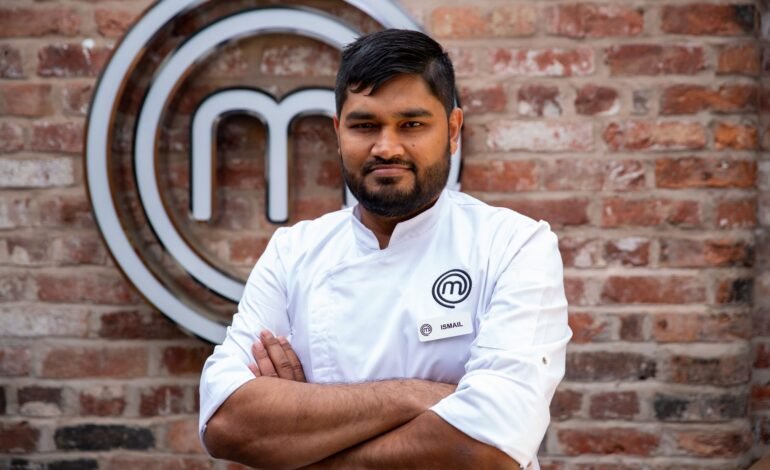

Bangladeshi Chef Impresses MasterChef Judges with Traditional Haleem
The global culinary spotlight has once again turned toward Bangladeshi cuisine after Ismail from Bangladesh captivated judges on MasterChef: The Professionals (UK) with a traditional dish deeply rooted in South Asian heritage. By presenting a carefully prepared mutton haleem, the chef not only secured a place in the competition’s semi-final but also demonstrated how classic Bangladeshi flavors can resonate on the international stage.
The moment highlights a broader trend: chefs of Bangladeshi origin are increasingly showcasing their cultural cuisine in global culinary competitions, helping traditional recipes gain recognition far beyond South Asia.
A Culinary Moment on MasterChef
The chef, Ismail, a 33-year-old originally from Rajshahi, Bangladesh, now lives in London with his wife Sarah and their daughter. During the competition, he impressed judges with an authentic mutton haleem, a slow-cooked dish in South Asia.
His performance stood out among competitors because of the way he transformed a traditional dish into a refined restaurant-quality plate while preserving its authentic taste.
The dish impressed the show’s panel of judges, including renowned chefs Marcus Wareing, Matt Tebbutt, and Monica Galetti, who praised both the technique and the cultural storytelling behind the dish.
Their positive reactions ultimately helped Ismail advance to the semi-final round of the prestigious culinary competition.
The Cultural Power of Haleem
Haleem is a beloved dish across South Asia and the Middle East, particularly popular during Ramadan and festive occasions. The dish typically combines slow-cooked meat, lentils, wheat, and aromatic spices that simmer for hours until the mixture develops a rich, creamy consistency.
For many Bangladeshis, haleem is more than just food, it represents family gatherings, cultural identity, and shared culinary traditions.
By presenting haleem on an international cooking show, Ismail brought a piece of Bangladeshi culinary heritage to a global audience. The judges’ admiration demonstrated how traditional dishes can compete alongside modern gourmet cuisine when executed with skill and creativity.
From Rajshahi to London: A Chef’s Journey
Ismail’s journey from Bangladesh to the UK reflects the story of many members of the Bangladeshi diaspora who pursue careers abroad while maintaining strong connections to their cultural roots.
Growing up in Rajshahi, he was exposed to the flavors and cooking traditions that later shaped his culinary identity. After moving to London, he continued refining his skills while drawing inspiration from the food he grew up eating.
Living in one of the world’s most diverse culinary capitals allowed him to experiment with blending traditional techniques and modern presentation styles. This combination ultimately became his strength during the MasterChef competition.
His cooking, which he calls his passion and purpose, is rooted in slow-cooking and open-fire techniques, inspired by his mother and his Bengali heritage
His success on the show illustrates how immigrant chefs often use food as a way to celebrate heritage while engaging with global culinary trends.
Why Traditional Cuisine Matters in Modern Competitions
Cooking competitions like MasterChef: The Professionals often emphasize creativity, technical skill, and innovation. However, authenticity and cultural storytelling are increasingly valued elements.
By choosing to cook haleem, Ismail demonstrated that traditional recipes can compete at the highest level of professional cooking. The dish required:
- Long cooking time
- Careful balancing of spices
- Precise control of texture and consistency
These elements highlight the craftsmanship involved in traditional South Asian cooking, which is sometimes underestimated compared with European fine dining techniques.
Ismail’s performance therefore served as a reminder that heritage cuisine deserves a place in modern culinary excellence.
Rising Global Recognition for Bangladeshi Cuisine
Bangladeshi food is gradually gaining international recognition thanks to chefs who proudly represent their roots in global competitions and restaurants.
Traditional dishes such as:
- Biriyani
- Bhuna curry
- Panta bhat
- Haleem
are increasingly appearing in international kitchens and food festivals.
In recent years, chefs of Bangladeshi heritage have also appeared in global cooking shows and restaurant scenes, highlighting the diversity and richness of Bengali flavors.
This growing visibility helps reshape perceptions of South Asian cuisine, presenting it as a sophisticated culinary tradition with deep historical and cultural roots.
The Role of Diaspora Chefs
Bangladeshi diaspora chefs play a significant role in introducing their cuisine to international audiences. In cities such as London, Birmingham, and Manchester, Bangladeshi-owned restaurants have long been an important part of the food industry.
However, appearances on global television programs like MasterChef provide an even larger platform.
When chefs like Ismail cook dishes inspired by their heritage, they create opportunities for viewers to learn about Bangladeshi food culture. These moments can influence restaurant trends, food tourism, and public appreciation for traditional recipes.
The success of diaspora chefs also encourages younger generations to explore careers in culinary arts.
A Proud Moment for Bangladeshi Culinary Identity
Ismail’s success on MasterChef represents more than a personal achievement. It also reflects the growing confidence among chefs from Bangladesh and the Bangladeshi diaspora to proudly present their culinary traditions to the world.
By choosing haleem, a dish deeply connected to family and cultural heritage, he demonstrated how traditional recipes can resonate with international audiences when prepared with skill and passion.
His journey shows that food can serve as a powerful bridge between cultures, connecting people through shared appreciation of flavor and craftsmanship.
What This Means for the Future of Bangladeshi Cuisine
The global culinary scene is constantly evolving, and cultural diversity has become one of its defining characteristics.
As more chefs bring Bangladeshi dishes to international competitions and restaurants, the world’s understanding of Bengali cuisine will continue to expand.
Ismail’s MasterChef performance is a reminder that even the most traditional recipes can capture global attention when presented with creativity, authenticity, and pride.
For Bangladeshis at home and abroad, it is also a moment of celebration proof that the country’s rich culinary traditions have a place on the world stage.