




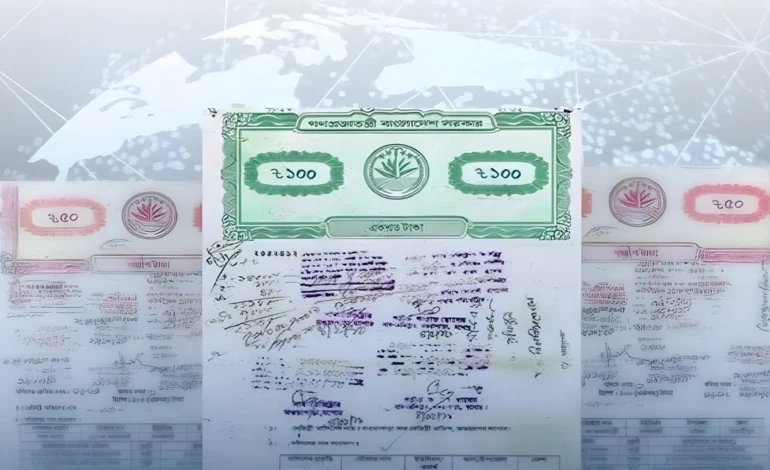

Bangladesh to Digitise 117 Years of Land Records: What the New Online System Means for Landowners
The government of Bangladesh has announced a major reform as all land records registered from 1908 to 2025 will be scanned and uploaded online. Under this initiative, landowners will no longer need to visit registrar offices in person to search, verify, or secure property documents. The new digital platform aims to end decades of slow bureaucracy, reduce land-fraud risk, and make land-ownership verification accessible from anywhere, offering potentially transformative change for millions of citizens.
Why This Change Matters
For decades, Bangladesh’s land record system has relied on paper-based registries stored in regional registrar offices. These analog records, often processed manually, made land ownership verification cumbersome. Visits to registrar offices were time-consuming and sometimes involved unofficial fees or delays. The manual system also created opportunities for fraud, duplicate claims, and loss or damage of important documents.
With the new nationwide digitisation plan, the government aims to replace this outdated system. Every document, from over a century of registrations, will be scanned and securely stored in a centralised database. Once implemented, landowners will be able to:
- Search for their property records online
- Verify authenticity of documents instantly
- Download official copies from home, even if original papers are lost
This reform promises to significantly reduce bureaucratic hassles and make landownership more transparent and secure.
Key Benefits: Speed, Transparency, and Protection from Fraud
Faster Access to Records
Under the current system, retrieving a land document may require multiple trips to local offices and long wait times. With the digital platform, landowners can obtain official records within minutes anytime, anywhere. This convenience will especially benefit expatriates, people living abroad, and those in remote areas who otherwise face difficulty traveling to registrar offices.
Reduced Fraud and Disputes
One of the most significant advantages of the digital land registry is its potential to cut down illegal land deals and document forgery. The centralized system will make it much harder to use fake or duplicate documents for fraudulent sales. Land disputes, a common issue in many districts—could decline as the digital registry provides transparent, verifiable evidence of ownership.
Lower Cost and Hassle for Landowners
Previously, many landowners reportedly paid unofficial fees (ranging from 1,000 to 5,000 BDT) merely to get access to records, even though the official fee was nominal (around 20 BDT). The new system would eliminate such exploitative practices and lower the cost of accessing documentation.
Access Even When Original Documents Lost
Documents lost in fires, floods, or other disasters often become irrecoverable under the old paper-based system. The digitized records will provide legal, downloadable copies that hold the same validity as originals, offering a safety net to many families.
What Landowners Should Know Now
The government’s digitization plan is being rolled out in phases. Here is what landowners should keep in mind:
- Initially, documents from 1908 to present will be scanned and uploaded.
- Some old records—especially from turbulent periods such as 1947 (Partition) and 1971 (Liberation War), were lost. Those documents cannot be recovered automatically. Landowners who still possess copies from those eras are urged to submit or preserve them to secure their claim.
- A dedicated website will be launched, through which users can search, verify, pay a modest fee, and download their land records.
- Once operational, the system will reject fake or unofficial documents—so only properly registered deeds will qualify.
Landowners should keep an eye on official announcements about launch dates for their district and submit any old documents before the deadline.
Long-Term Implications for Bangladesh’s Land Market and Economy
Boost for Expatriates and Non-Resident Property Owners
Millions of Bangladeshi citizens live abroad but still own land back home. With the online registry, they can now manage land transactions sales, verification, inheritance claims without physically travelling to Bangladesh. This convenience could lead to smoother remittances, faster investment decisions, and easier handling of property-related legal matters.
Decline in Land Disputes and Legal Cases
Land disputes are common in Bangladesh, often triggered by unclear ownership documents, lost deeds, or forged papers. With a verified, centralized digital registry, many of these disputes could be prevented. Courts may see fewer property-related cases, reducing backlog and improving legal confidence.
Strengthened Property Rights and Reduced Corruption
By making records transparent and publicly verifiable, the digital system can help curb corruption in the land sector. Middlemen and unscrupulous officials who exploit the confusion around land documents may find their business model obsolete. This could pave the way for fairer land markets and more trust in property transactions.
Potential Economic Gains
A streamlined land registration system reduces costs and time for property transactions. As a result, more people may be willing to invest in land development, agriculture, housing, or business ventures. This could stimulate economic activity—especially in rural areas where land is a primary asset.
Challenges and Concerns: What Risks Remain
While the digitisation plan is full of promise, certain risks and challenges must be carefully managed.
Missing or Damaged Historical Records
Some land documents from wartime periods are already lost from registrar archives. Those owners who no longer have copies may face difficulty proving ownershipmeven when their land was legitimate. The government will need a mechanism to handle such exceptions.
Data Security and Privacy
Storing sensitive land ownership information online means the government must ensure strong data security. Risks such as hacking, data leaks, or unauthorized access could pose serious threats. It will be crucial to build a robust, secure system with encryption, backups, and regular audits.
Implementation Speed and Public Readiness
Even as pilot projects begin, rolling out a full national system will take time. Many landowners in rural or remote areas may be unfamiliar with digital platforms, lack internet access, or feel uncomfortable with online transactions. Awareness campaigns and assistance will be needed to ensure inclusive access.
Validity Conflicts Between Old and New Records
In some cases, there may be differences or discrepancies between old paper deeds and the new digital records. The government will need clear policy to resolve conflicts to prevent new disputes.
What This Means for You: Steps Landowners Should Take
If you own land or property in Bangladesh, here is what you can do now:
- Keep an original copy of your land deed safe—preferably a scanned backup.
- Monitor government announcements for when your district’s land records become available online.
- If you have old deeds from lost archives (e.g. pre-1971), keep your copies — they might be needed for verification.
- Once the digital platform launches, log in, verify your record, and download an official PDF copy as backup.
- If you suspect your land document is missing, forged or inaccurate, check early — online verification may uncover problems before they escalate.
Digitising Land Records Could Transform Land Ownership in Bangladesh
The move to digitize 117 years of land records is arguably one of the most significant governance reforms in Bangladesh’s recent history. If implemented properly, it will make property ownership more transparent, reduce corruption and fraud, simplify access for citizens at home and abroad, and strengthen the overall land market.
But success depends on careful execution: secure infrastructure, public awareness, fair treatment of older deeds, and robust systems to protect privacy. For millions of landowners, this reform can mean fewer disputes, faster transactions, and peace of mind. For the country as a whole, it can mean stronger property rights, stimulated investment, and more equitable growth.