


Bangladesh Suspend IPL Broadcast After Mustafizur’s Exclusion


Bangladesh Suspends IPL Broadcast After Mustafizur Rahman’s Exclusion: A Turning Point in Sport and Diplomacy
The Ministry of Information and Broadcasting of Bangladesh has suspended official broadcasts of the Indian Premier League (IPL) across national television channels following the exclusion of Bangladesh’s star fast bowler Mustafizur Rahman from the Kolkata Knight Riders (KKR) squad on a directive from the Board of Control for Cricket in India (BCCI). The decision marks a rare intersection of sport, politics, national pride, and cultural diplomacy, and it has sparked intense debate within Bangladesh and across the global cricketing community.
The suspension announced by the Ministry of Information signals the government’s strong displeasure with what it perceives as an unjust sidelining of a key national athlete. It instantly changed the dynamics of one of the world’s most commercially valuable T20 leagues, affecting broadcasters, advertisers, and millions of cricket fans across Bangladesh.
A Nation’s Cricket Passion Meets Political Sensitivities
Cricket fans in Bangladesh have long been passionate followers of the IPL. The tournament’s blend of international stars, thrilling T20 action, and strategic drama has attracted huge television audiences and commercial engagement since Bangladesh first gained official broadcast rights several years ago.
However, the suspension followed a chain of events that began with Mustafizur Rahman’s acquisition by KKR in the IPL 2026 mini-auction for a record INR 9.20 crore (approx. USD 1.02 million) one of the highest prices ever paid for a Bangladeshi player.
When the BCCI instructed KKR to release Mustafizur from their squad in early January 2026 citing “recent developments across the region” without elaborating on specifics the move sparked widespread dismay in Bangladesh and triggered a broader national conversation about player rights, fairness, and diplomatic respect.
Government Response: Why Broadcasts Were Suspended
On January 5, the Ministry of Information issued a directive to all state-owned broadcasters and private channels holding IPL telecast rights to halt live and recorded broadcasts of IPL matches. The action was taken “until further notice,” according to the official statement.
The government justified the decision on multiple grounds:
- National Dignity: The sidelining of Mustafizur was viewed as an affront not just to one athlete, but to Bangladesh’s national identity and sporting dignity.
- Fans’ Sentiments: Millions of Bangladeshi cricket fans felt betrayed by a league they have followed passionately for years, leading to widespread public calls for action.
- Official Protest: Suspending broadcasts was seen as a formal diplomatic protest, emphasizing that national sentiment would not be ignored in an era where sports and politics frequently intersect.
A senior government official, speaking on condition of anonymity, told reporters that the issue is about respect for Bangladeshi athletes and that any successful league must ensure equal treatment for all players, regardless of nationality.
Youth and Sports Adviser Asif Nazrul disclosed the major development yesterday, calling the move a necessary response to what he termed the “radical communal policy” of the Indian cricket authorities.
Since Mustafizur was dropped by KKR following a directive of the BCCI, concerns over the safety of Bangladesh’s cricketers at the World Cup have come to the forefront. As a result, the BCB has decided not to travel India for the World Cup and asked to shift the venue.
The 10th edition of the T20 World Cup, co-hosted by India and Sri Lanka, begins on 7 February. Bangladesh was scheduled to face the West Indies in their opening match at Eden Gardens in Kolkata.
Mustafizur Rahman: The Central Figure in a Regional Storm
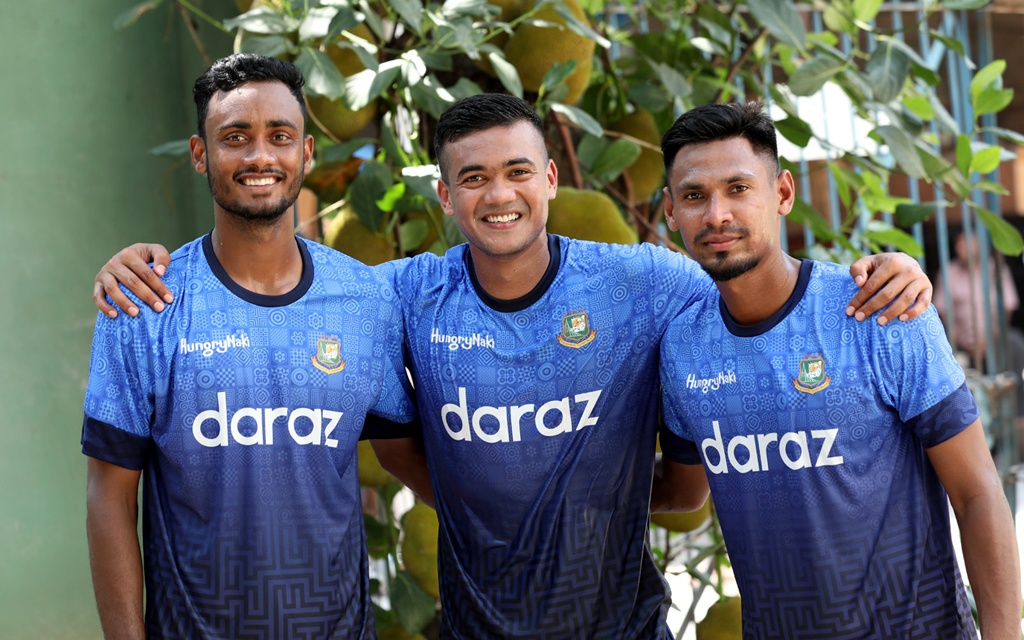
Mustafizur Rahman, also known as “Fizz,” is widely regarded as one of Bangladesh’s most successful T20 pacers. His ability to bowl deceptive cutters, maintain an economical line, and deliver under pressure made him a coveted player in T20 leagues globally.
Since his IPL debut in 2016 with Sunrisers Hyderabad, Mustafizur has:
- Played for multiple IPL franchises, including Sunrisers Hyderabad, Mumbai Indians, Rajasthan Royals, Delhi Capitals, and Chennai Super Kings.
- Won the Emerging Player of the Tournament in 2016.
- Captured more than 65 wickets in the IPL across his appearances, making him one of the most effective overseas bowlers.
- Earned admiration for his performances with the Bangladesh national team in ICC events and bilateral T20 series.
His high auction price in the IPL 2026 mini-auction was a milestone achievement for Bangladeshi cricket amplifying national pride and international recognition. The sudden directive to release him, therefore, not only affected Mustafizur professionally but also resonated deeply across Bangladesh’s cricketing ecosystem.
Fan Reaction: Outrage and Mobilization
Social media platforms and fan communities exploded with reactions after the broadcast ban was announced. Trending hashtags like #StandWithMistafizur, #BoycottIPL, and #RespectBangladeshCricket were shared by millions of fans, former players, and cricket commentators. Many fans expressed anger that a tournament they have followed avidly would now be off the airwaves.
Prominent former cricketers in Bangladesh criticized the BCCI’s directive, calling it unfair and “detrimental to the spirit of international sporting cooperation.” Others noted that the government’s broadcast suspension was a bold but necessary stand for national pride and player respect.
Broadcasting and Commercial Impact
The IPL is one of the most lucrative sporting properties in the world, with global broadcast revenues exceeding USD 1.4 billion annually. Bangladesh’s market while smaller than India’s has been a profitable one for broadcasters and advertisers targeting cricket fans.
The suspension of IPL transmission has several immediate commercial implications:
- Lost Advertising Revenue: Channels liken T SPORTS will no longer earn advertising fees tied to live broadcasts, affecting sports networks and sponsors alike.
- Contractual Challenges: Broadcasters with pre-existing rights contracts may now face legal and financial complexities over unfulfilled obligations.
- Concession of Market Share: Competitor sports content may fill the vacuum, potentially shifting viewership to alternative leagues or international cricket events.
- Fan Engagement Gap: With IPL temporarily off the screens, cricket enthusiasts in Bangladesh may divert attention to other tournaments and national fixtures.
Industry analysts estimate that the ban could cost up to tens of millions of dollars in advertising and subscription revenue if it persists through the full IPL season. The economic ripple effects may also motivate private broadcasters to seek alternate league rights or push for a negotiated return to IPL transmissions.
Cricket Diplomacy: Where Sport Meets Geopolitics
Sport has long played a role in diplomacy, particularly in South Asia, where cricket is deeply interwoven with national identity and international relations. Bangladesh’s broadcast suspension underlines this phenomenon demonstrating that cricket is not just a game but a public sphere that can reflect or amplify political tensions.
Analysts suggest that the government’s move sends a clear message: nations will not remain indifferent when their athletes are perceived to be treated unjustly on international platforms, even commercial sporting leagues.
The BCCI has responded cautiously. Officials reiterated that IPL decisions regarding player contracts are “internal matters” and not influenced by external political considerations. However, the government’s suspension of broadcasts elevates the dispute from a corporate sports disagreement to a diplomatic challenge with potential consequences for bilateral engagements.
Impact on Cricket Relations with India
Bangladesh and India share rich cultural and sports ties, with cricket playing a central role in cross-border fandom. However, recent diplomatic frictions, including political developments within Bangladesh and disagreements over treatment of minority communities have strained relations.
The IPL broadcast suspension could further complicate cricket cooperation, potentially affecting future bilateral series, youth exchanges, and participation agreements in multi-national tournaments.
Cricket boards in both countries may now need to navigate a delicate balance between sporting collaboration and national sentiment. How these negotiations unfold could shape cricket diplomacy in South Asia for years to come.
International Reaction and the ICC’s Role
While the International Cricket Council (ICC) does not control IPL broadcasts, global cricketing stakeholders have taken notice. Some international sports commentators have criticized any attempt to use sport as a venue for political retribution. Others argue that defending player dignity within global leagues is essential to maintaining trust in international competition.
Former ICC officials have highlighted that sport should transcend political differences, yet realpolitik and national loyalty often inject complexity into seemingly apolitical domains.
Looking Ahead: Possible Scenarios
As the IPL season progresses, several scenarios could unfold:
- Broadcast Suspension Continues: If the government holds firm, IPL may remain off Bangladeshi broadcasts for the entire season.
- Negotiated Return: Behind-the-scenes negotiations between broadcasters, government officials, and cricket authorities could restore IPL coverage under new conditions.
- Global Intervention: International voices from the ICC or other cricket boards may mediate dialogue to balance sport and diplomacy.
- Domestic Alternatives: Bangladesh broadcasters and sports networks may pivot to local leagues, bilateral series, or national cricket events to fill programming gaps.
Each path carries implications for fans, broadcasters, and the broader cricketing ecosystem.
A Defining Moment for Cricket in Bangladesh
The suspension of IPL broadcasts in Bangladesh reflects a pivotal moment in the relationship between sport, politics, national identity, and international cooperation. Mustafizur Rahman’s exclusion from the KKR squad was not just an isolated baseball-card swap; it became a symbol of a larger conversation about respect, fairness, and sovereignty in international cricket.
As Bangladesh enters 2026, the situation remains fluid. How cricket authorities, governments, broadcasters, and fans navigate this moment will have far-reaching effects on the game, its governance, and the power of sport as a platform for national pride.