


Bangladesh stay firm on not to Travel to India for T20 World Cup
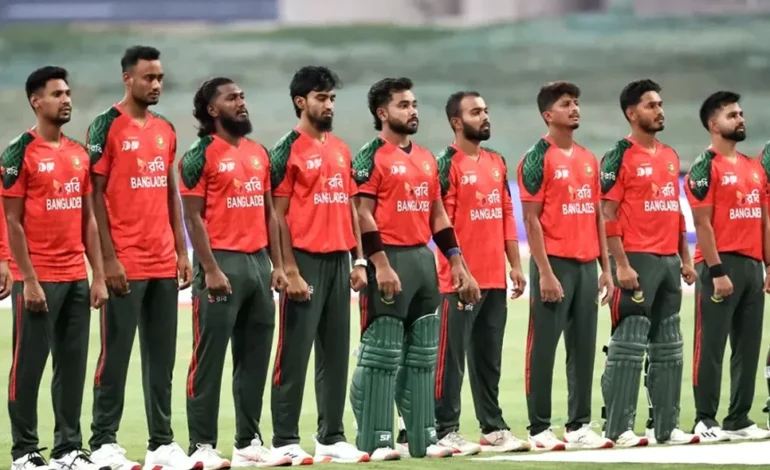

Bangladesh’s Refusal to Travel to India for T20 World Cup: What It Means for Global Cricket
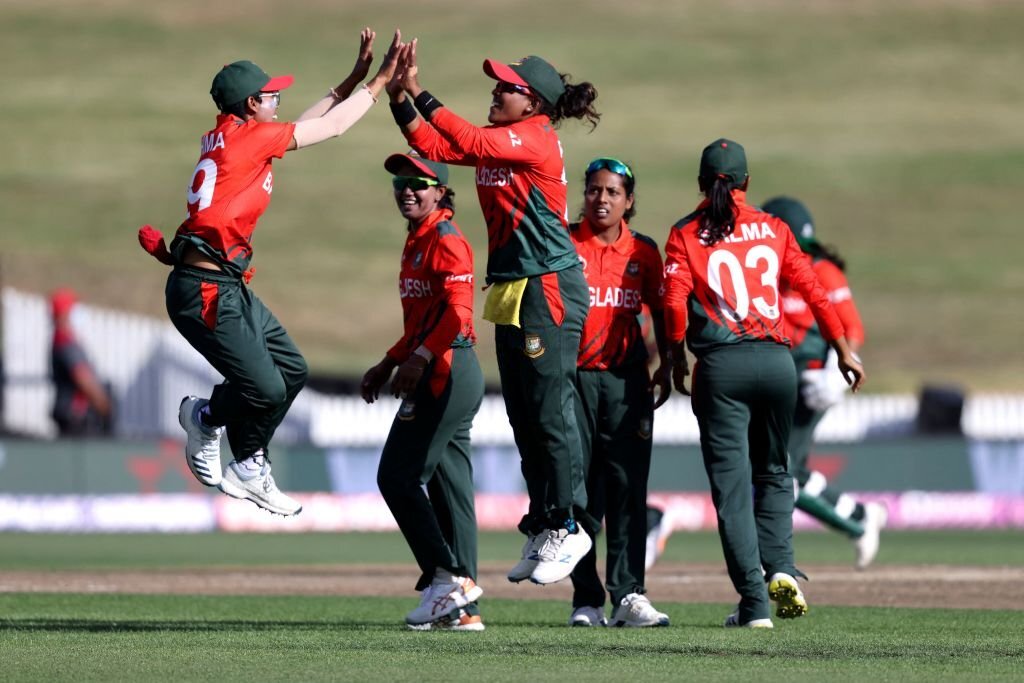
Bangladesh’s cricketing future at the ICC Men’s T20 World Cup 2026 has taken a dramatic turn as the Bangladesh Cricket Board (BCB) and the government reaffirm their refusal that the national team won’t travel to India for the tournament, which is beginning on February 7, 2026. Citing ongoing concerns over safety, security, and perceived inequities in decision-making by the International Cricket Council (ICC), Bangladesh has made clear that it will continue to push for an alternative solution even at the risk of missing the World Cup entirely.
This stance marks one of the most significant disputes in recent international cricket history, involving not just sport but geopolitics, governance, and national pride. The unfolding events have drawn responses from global cricket administrators, former players, and national boards, as the cricketing world grapples with what a non-participation by Bangladesh could mean for the integrity of the tournament and the sport at large.
The Core of the Dispute: Safety, Security, and Venue Change
At the heart of Bangladesh’s decision is its firm stance that the team will not travel to India under the current conditions. During a joint meeting with national team players, the government, and BCB officials in Dhaka, Bangladesh’s Sports Adviser Dr. Asif Nazrul stated that the country remained “firm on not travelling to India for the forthcoming ICC Men’s T20 World Cup” and continued to hope for “justice” from the ICC regarding their concerns.
BCB President Aminul Islam Bulbul echoed this sentiment, highlighting that Bangladesh wants to play in the tournament “but only in the other host nation, Sri Lanka,” and expressed determination that the board would “continue to fight for our demand” to relocate the matches.
Both officials stated that safety, security, and national dignity were non-negotiable priorities, framing the issue as one that goes beyond logistics and into the realms of national confidence and fairness.
ICC’s Response and Tournament Logistics
Earlier, the ICC rejected Bangladesh’s request to shift its T20 World Cup matches from India to co-host Sri Lanka. The world governing body, which oversees the schedule and organisation of the tournament, maintained that security assessments conducted indicated no credible threat authorising a change of location. The ICC also argued that changing match venues so close to the tournament’s start date would jeopardise established protocols and future event planning.
In a statement following its board meeting, the ICC noted that detailed security plans and independent assessments did not substantiate Bangladesh’s claims of risk. As a result, the schedule, with Bangladesh’s matches set in cities like Kolkata and Mumbai, was upheld, leaving Bangladesh to either participate in India or risk being replaced.
The ICC has given the BCB an extra day to consult with the Bangladesh government on the decision, but with Bangladesh’s refusal to travel, planners are preparing for the possibility of a replacement team. Based on T20I rankings, Scotland has been identified as the likely candidate to replace Bangladesh if it ultimately opts out.
Statements and Rhetoric: Bangladesh’s Position
The rhetoric from Bangladesh’s cricket bodies and government reflects deep dissatisfaction with the ICC’s handling of their concerns. In response to media reports and official messaging, the BCB stressed that it had provided the ICC with a detailed list of issues and was awaiting considered responses, emphasising that safety could not be compromised.
Bulbul reiterated the point in earlier briefings, saying, “We will not compromise with the security of our cricketers.” He added that Bangladesh’s responsibility extended to a wider group including players, officials, media, and fans.
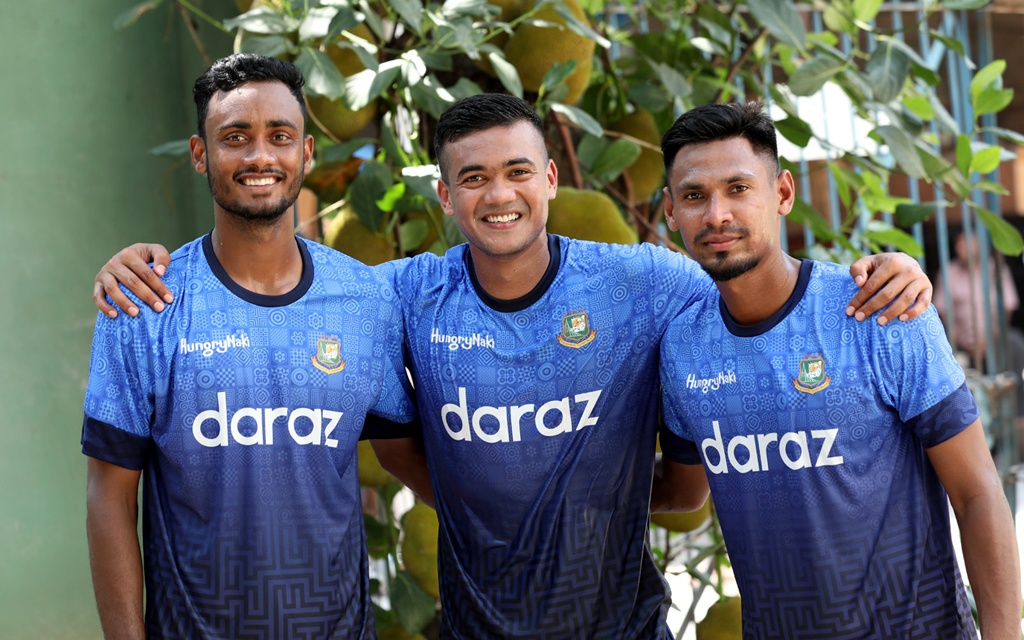
Another core grievance touched upon perceptions of inconsistency. Some Bangladesh officials have pointed to past ICC decisions that allowed match relocations under different circumstances, arguing that similar flexibility should be considered for their case. These frustrations intersect with broader tensions, including recent incidents involving the exclusion of Bangladeshi pacer Mustafizur Rahman from an Indian Premier League (IPL) squad earlier in the season, which Bangladesh officials viewed as indicative of deeper challenges.
Security Concerns vs. ICC Assessments
Bangladesh’s claims focus extensively on security and respect for players’ well-being. The BCB maintained that the security environment in India “has not changed” in a way that assures their participation, and that assurances provided by the ICC and host authorities did not sufficiently address their core concerns.
The ICC, on the other hand, has repeatedly stated that comprehensive security assessments, including independent reviews showed no credible threat to Bangladesh’s contingent, noting that risk levels were categorised as low to moderate in some venues and low to negligible in others. These assessments are standard practice for major global sporting events and form the basis of ICC’s decision-making on venue stability.
This clash of perspectives highlights a wider challenge faced by international sporting bodies: balancing objective risk analysis with the subjective perceptions and priorities of member nations.
Potential Consequences: For Bangladesh and Global Cricket
Bangladesh’s stance carries significant consequences, both sporting and diplomatic. If the BCB does not reverse its position, the team could become the first Bangladesh cricket squad to miss a World Cup, a nation that has participated in every major ICC tournament since its early ascension in international cricket.
The potential withdrawal also raises questions about the future of bilateral and multilateral cricket relations, particularly with co-hosts and cricket’s global stakeholders. Former players and commentators India-wide and beyond have weighed in on the situation; for instance, there have been calls from some quarters for solidarity actions by other cricket boards, including suggestions that Pakistan’s board consider support or action parallel to Bangladesh’s stance.
Should Bangladesh remain out of the event, not only would its team miss competition, but broadcast markets, fan engagement, and regional partnerships could feel the ripple effects, especially among the 200 million people who passionately follow cricket in Bangladesh.
Fairness, Governance, and Sporting Integrity
For the global cricket community, Bangladesh’s position challenges the way international sporting governance functions in high-stakes tournaments. Governing bodies like the ICC are tasked with maintaining fairness, neutrality, and safety while handling diverse member interests yet when perceptions of bias, inconsistency, or injustice emerge, those core principles can come under scrutiny.
The escalation of a dispute rooted partly in geopolitical sensitivities, partly in player relations, and partly in national identity underscores the complex environment global sport now operates within.
What Happens Next
As the T20 World Cup draws near, the cricket world awaits clarity. Bangladesh’s government and cricket board have made clear they will continue to seek “justice” from the ICC, hoping that further dialogue or exceptional decisions could pave the way for their participation.
However, with the ICC’s refusal to alter match venues and the proximity of the tournament’s start date, options are narrowing. If Bangladesh maintains its stance, cricket’s governing bodies will have to implement contingency plans, potentially welcoming Scotland into the tournament in Bangladesh’s place.
Regardless of the final outcome, the situation remains one of the defining controversies in modern cricket, reflecting how sport, diplomacy, and governance intersect on the world stage.