




Bangladesh Signs Tk608 Crore Deal With China to Build Military Drone Manufacturing Plant
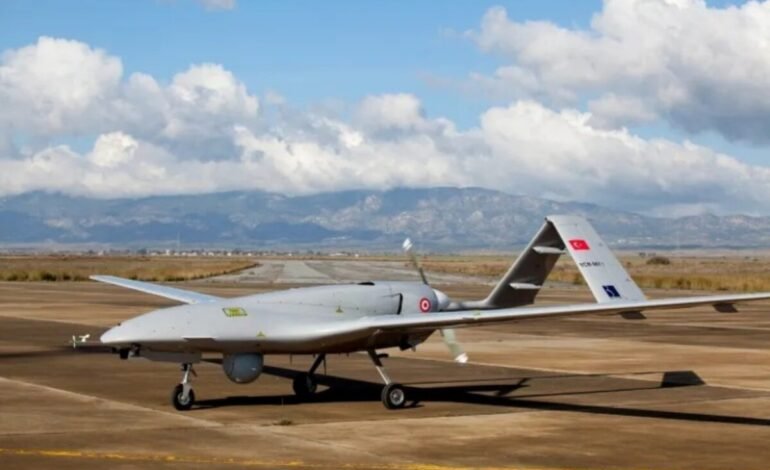

Bangladesh Signs Tk608 Crore Deal With China to Build Military Drone Manufacturing Plant
Bangladesh has taken a major step toward strengthening its defence technology base by signing a Tk608.08 crore agreement with China to establish a military drone manufacturing plant. The multi-year project is part of a broader strategy to develop indigenous defence industrial capabilities and reduce long-term dependence on imported unmanned aerial vehicle (UAV) systems.
The deal, which was approved by the Ministry of Finance in Dhaka, will see the Bangladesh Air Force (BAF) partner with China Electronics Technology Group Corporation (CETC) International to build a factory and transfer key drone production technology to Bangladesh. The initiative not only aims to modernize the country’s defence readiness but also positions Bangladesh as a potential technology producer in the global defence supply chain.
A Major Leap in Defence Technology
The formal title of the project is “Establishment of Manufacturing Plant and Transfer of Technology (ToT) for Unmanned Aerial Vehicles (UAVs).” It was approved by the Ministry of Finance with a total allocation of Tk608.08 crore, to be disbursed over the next several fiscal years.
Unlike previous approaches where Bangladesh procured drones from foreign suppliers, this project allows domestic production of drone systems with Chinese technical support. The deal reflects growing recognition within Dhaka that future security environments will require more autonomous and technologically advanced capabilities, including long-endurance surveillance, reconnaissance operations, and potentially tactical support.
For Bangladesh, which has historically purchased military hardware from external suppliers, building a technology base at home is a significant strategic shift.
The Financial Framework
The project’s financial structure was carefully designed to ensure sustained investment without placing excessive pressure on annual budgets. The total Tk608.08 crore cost is spread over four fiscal years:
- Tk106 crore for the current fiscal year
- Tk155 crore for FY 2026-27
- Tk155 crore for FY 2027-28
- Tk154.60 crore for FY 2028-29
- Tk37.47 crore reserved for opening letters of credit (LC) and financial charges associated with the project
The Finance Ministry’s approval also stipulates that all expenditures must occur within existing budget lines of the Bangladesh Air Force for machinery and equipment, ensuring fiscal discipline and accountability in fund utilization.
The Role of China Electronics Technology Group Corporation
China Electronics Technology Group Corporation (CETC) International, a major state-owned Chinese defense technology company, will provide both equipment and technology transfer expertise under the agreement. CETC is widely recognized for its capabilities in electronics, command and control systems, communications, and UAV technologies.
The partnership with CETC goes beyond simple equipment supply. It includes the transfer of technological know-how, training of personnel, and support in setting up manufacturing lines for UAV systems and related electronics. This opens the door for Bangladesh to not only assemble but potentially customize and maintain drone systems based on specific national requirements.
Experts say that having direct technical collaboration with an established aerospace technology partner like CETC can significantly boost Bangladesh’s defence industrial base.
Strategic Importance for Bangladesh
Enhancing Defence Autonomy
Domestic production capability provides Bangladesh greater autonomy in its defense supply chain. Instead of relying mainly on imported systems that require foreign approvals and potentially face supply delays, Bangladesh’s own facility will allow quicker turnaround time for upgrades, repairs, or customizations.
Strengthening Surveillance and Security
Unmanned aerial systems are becoming essential for modern military operations worldwide. Beyond traditional surveillance, drones enhance border monitoring, maritime security, disaster response, and environmental management. For Bangladesh, a country with long coastline and complex border areas, locally manufactured drones could significantly improve real-time situational awareness.
Building Technical Skills and Job Creation
The project will create opportunities for skill development in advanced manufacturing, electronics, and aerospace technologies. Local engineers and technicians will receive training alongside Chinese experts, building Bangladesh’s human capital in defense production sectors.
Long term, such capacity could spill over into civilian industries, including agriculture, infrastructure monitoring, emergency response, and logistics.
Global and Regional Context
The defense sector globally is rapidly embracing unmanned systems across land, marine, and aerial domains. Nations from the United States and Europe to South Asia and Southeast Asia are investing in drone technologies for a variety of security and civilian uses.
For Bangladesh, the drone manufacturing deal with China aligns with a broader regional trend. South Asian neighbors such as India and Pakistan have developed indigenous UAV programs, while countries in the Gulf Cooperation Council and Southeast Asia are investing heavily in unmanned platforms.
The Bangladesh-China partnership also reflects Beijing’s expanding role as a defense technology collaborator in the region. For Dhaka, this offers the advantage of access to mature production ecosystems and technology transfer possibilities.
Conditions and Oversight Measures
To ensure responsible use of public funds and safeguard the project’s strategic objectives, the Finance Ministry attached several conditions to the approval:
- Funds must be used strictly for the designated project purpose
- Expenditures should be made through letters of credit (LCs) under existing financial rules
- Payments will be monitored against set schedules and procurement guidelines
- No additional budget head will be created; the project must operate within the current Bangladesh Air Force machinery budget
This oversight framework is designed to promote transparency and prevent cost overruns — common concerns in large defense procurement projects.
Additionally, detailed reporting and auditing requirements will be part of the implementation process to ensure accountability in spending and technology transfer milestones.
Potential Civilian Applications
While the primary objective of the plant is military drone production, experts anticipate several civilian applications emerging from the initiative:
Disaster Response and Climate Monitoring
Bangladesh is particularly vulnerable to climate change, flooding, tropical storms, and river erosion. UAVs can support rapid assessment, logistics planning, and resource deployment during natural disasters.
Agriculture and Environmental Monitoring
Drones are increasingly used in precision agriculture to monitor crop health, soil conditions, and water usage. Manufactured drones could offer cost-effective solutions for local farmers and agribusiness.
Infrastructure and Urban Management
Unmanned aerial platforms can assist in mapping, construction monitoring, and urban planning, offering a technological boost to infrastructure development initiatives.
These civilian possibilities could foster broader industrial growth and innovative applications beyond defense.
Challenges and Considerations
Despite its promise, the project also presents several challenges:
Technology Absorption and Capacity Building
The success of a technology transfer project depends on effective training and long term capacity development. Ensuring that local engineers and technicians can independently operate and upgrade the systems remains a major task.
Export Restrictions and Security Protocols
Defense technologies are often subject to stringent export control rules. Bangladesh will need to align with international security protocols if it intends to export any UAV products in the future.
Diplomatic and Geopolitical Sensitivities
Strengthening defense cooperation with China may draw attention from other regional partners. Bangladesh will need to manage its diplomatic relations carefully to maintain strategic balance while pursuing its national interests.
Implementation and Future Prospects
With financial approval secured, Bangladesh is now expected to finalize the G-to-G contract with China and begin implementation. The project will unfold in phases, with infrastructure setup, equipment delivery, workforce training, and trial production scheduled over several years.
Long term, this initiative could catalyze a broader defense industrial strategy, potentially stimulating local private sector involvement in aerospace and electronics manufacturing.
It also positions Bangladesh to engage more confidently in international security dialogues where defense production and technological autonomy are increasingly central themes.
Conclusion
The Tk608 crore drone manufacturing deal with China marks a significant milestone in Bangladesh’s defense modernization, industrial policy, and technological advancement. By building domestic UAV production capability and acquiring technology through a structured transfer agreement, Bangladesh aims to strengthen national security, enhance operational autonomy, and stimulate domestic industrial growth.
As the world moves toward greater reliance on unmanned technologies for both military and civilian purposes, this project stands as a forward-looking initiative that could redefine Bangladesh’s role in regional defense ecosystems and contribute meaningfully to national development goals.
Bangladesh’s measured approach prioritizing technology transfer, fiscal oversight, and capacity building, may well serve as a model for other countries seeking to modernize their defense sectors while preserving financial accountability and strategic flexibility.