


After Bangladesh, Pakistan Considers Withdrawing from T20 World Cup
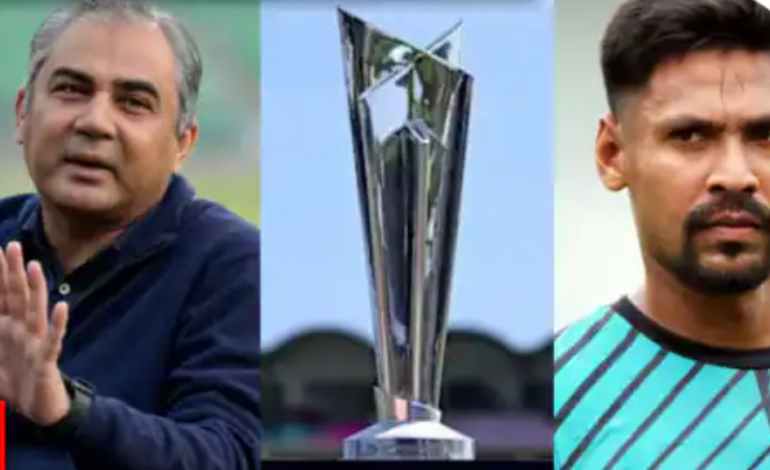

After Bangladesh, Pakistan Considers Withdrawing from T20 World Cup Amid Escalating Regional Tensions
The prospect of another major cricketing nation stepping away from a global tournament has sent shockwaves through the international cricket community. After Bangladesh’s recent concerns over participation in global events due to diplomatic and logistical complications, Pakistan is now reportedly considering withdrawing from the 2026 ICC Men’s T20 World Cup, highlighting how geopolitics is once again threatening to disrupt the world’s most popular cricket format.
The situation underscores a growing pattern in international sport where political tensions, security concerns, and diplomatic standoffs are increasingly influencing participation decisions. With the 2026 T20 World Cup scheduled to be co hosted by India and Sri Lanka, Pakistan’s hesitation adds a new layer of uncertainty to an event expected to be a milestone for global cricket expansion.
A Troubling Trend After Bangladesh’s Concerns
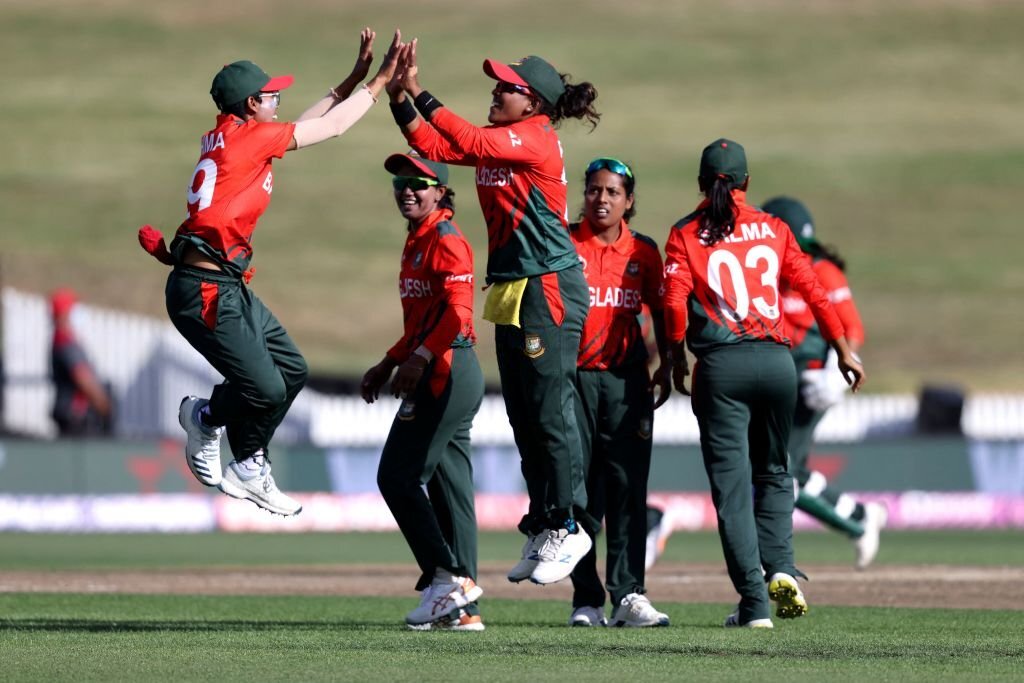
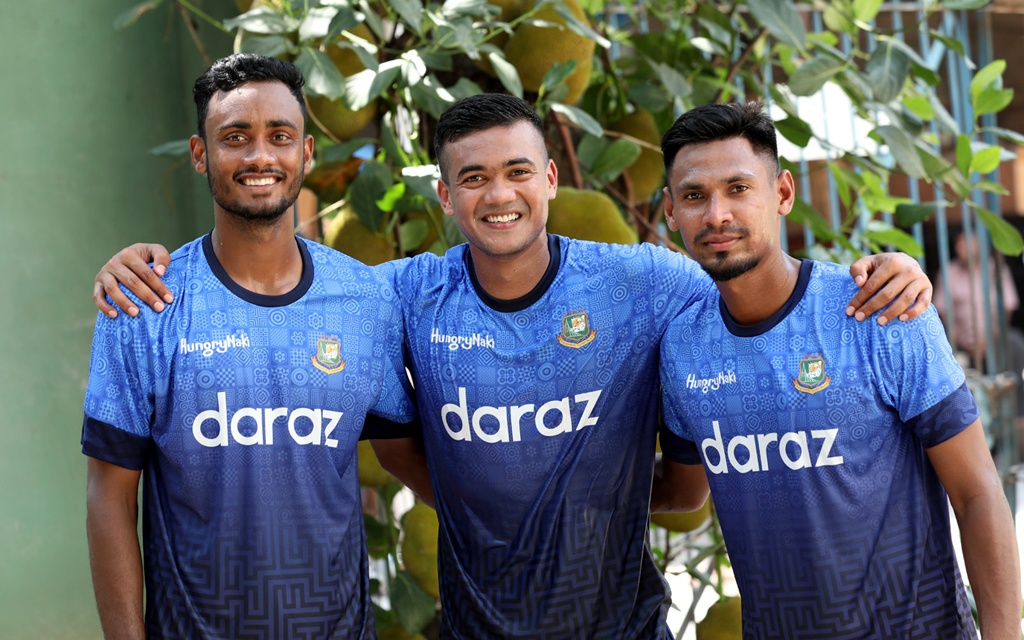
Bangladesh had earlier expressed unease over participation in certain international cricket arrangements amid geopolitical sensitivities and Mustafizur Rahman’s exclusion from IPL. While Bangladesh ultimately reaffirmed its commitment to ICC events, the discussion opened the door to broader debate on how South Asian politics impacts cricketing calendars.
Pakistan’s reported consideration of withdrawal suggests that Bangladesh’s concerns were not isolated. Instead, they reflect a wider regional challenge where cricket boards must balance sporting commitments with national policy and diplomatic realities.
A source stated that “The Bangladesh government contacted officials in Pakistan to seek support regarding their participation in the upcoming T20 World Cup and received a positive response,” adding that “Pakistan has indicated to us that they could reconsider their own participation if Bangladesh’s issue is not addressed.”
The implications are significant. If major teams begin reconsidering World Cup participation, the ICC’s long standing principle of separating sport from politics may face its most serious test in decades.
Why Pakistan Is Considering Withdrawal
According to reports, Pakistan’s deliberation is tied to escalating diplomatic tensions with India, which have intensified in recent months. While cricket fans often expect global tournaments to remain neutral ground, political realities sometimes dictate otherwise.
Key factors influencing Pakistan’s position reportedly include
- Security assurances for players and officials
- Visa and travel related uncertainties
- Concerns over equitable treatment during a tournament involving India as a host nation
- Broader diplomatic posture between the two countries
Pakistan’s leadership has historically emphasized that cricket cannot be entirely divorced from national interest, particularly when bilateral relations remain strained.
The Significance of the 2026 T20 World Cup
The 2026 ICC Men’s T20 World Cup is not just another tournament. It is strategically vital for the future of cricket.
It aims to expand the sport. It targets new broadcast markets and commercial partnerships
It relies heavily on South Asian viewership and rivalry driven engagement
Pakistan is one of the most followed teams in global cricket, especially in the Middle East, the United Kingdom, and South Asia. Any absence would directly affect the tournament’s competitive balance and commercial appeal.
After Bangladesh’s earlier apprehensions, Pakistan’s potential withdrawal would mark the second major red flag for tournament stability.
Impact on Global Cricket If Pakistan Withdraws
Competitive Balance
Pakistan has a strong record in T20 cricket, including a World Cup title and multiple finals appearances. Its absence would weaken the competitive depth of the tournament and alter group dynamics significantly.
Commercial and Broadcast Consequences
Matches involving Pakistan attract massive global audiences. Advertisers, sponsors, and broadcasters factor in Pakistan’s participation when negotiating rights. A withdrawal could impact revenue projections and global viewership figures.
Precedent for Future Withdrawals
Perhaps most concerning is the precedent such a move could set. If Pakistan withdraws after Bangladesh raised concerns, other nations may feel emboldened to reconsider participation based on political or diplomatic considerations.
ICC’s Dilemma Between Sport and Politics
The ICC has consistently maintained that global tournaments should remain insulated from political disputes. However, the governing body also operates through member boards that are subject to national government policies.
If Pakistan formally signals withdrawal intent, the ICC will face a delicate balancing act
- Preserving tournament integrity
- Engaging in diplomatic mediation
- Ensuring safety and fairness for all teams
- Avoiding a fragmentation of international cricket
The situation may require behind the scenes negotiations involving not only cricket boards but also government representatives.
How Fans and Experts Are Reacting
Cricket fans across the world have responded with concern and disappointment. Many argue that World Cups should serve as platforms for unity rather than division. On social media, supporters from Pakistan, Bangladesh, India, and beyond have urged administrators to find solutions that allow sport to prevail.
Cricket analysts warn that repeated political disruptions could damage the credibility of international tournaments and accelerate the rise of franchise based leagues at the expense of national competitions.
There is also growing concern that young fans, particularly in emerging cricket markets, may become disillusioned if World Cups are shaped more by diplomacy than by performance on the field.
Bangladesh and Pakistan Shared Challenges
While Bangladesh and Pakistan face different political contexts, their concerns highlight shared structural issues
Dependence on regional stability for tournament participation
Limited influence of smaller boards in host nation decisions
Security and logistical vulnerabilities
Together, these challenges point to the need for stronger international frameworks that protect sporting participation regardless of political climate.
Can Cricket Diplomacy Still Work?
Historically, cricket has occasionally acted as a bridge between divided nations. Past initiatives have shown that sporting engagement can ease tensions, even if temporarily.
However, in the current climate, cricket diplomacy faces significant hurdles
- Heightened political polarization
- Increased public scrutiny
- Commercial pressures tied to broadcasting and sponsorship
Despite these challenges, many observers believe the ICC and member boards must attempt mediation, not only to secure Pakistan’s participation but to preserve the credibility of future global tournaments.
What Happens Next
Pakistan has not yet announced a final decision. The coming months will likely involve
Consultations between the Pakistan Cricket Board and government authorities
Engagement with the ICC on security and logistical assurances
Regional diplomatic signaling ahead of tournament planning
Bangladesh’s earlier experience suggests that dialogue can lead to compromise. Whether Pakistan follows a similar path remains uncertain.
Conclusion
After Bangladesh raised concerns, Pakistan’s consideration of withdrawing from the T20 World Cup marks a critical moment for international cricket. It highlights the fragile balance between sport and geopolitics and raises pressing questions about the future of global tournaments.
If cricket’s biggest events are to remain truly global, stakeholders must find ways to ensure participation is determined by performance, not politics. The decision Pakistan ultimately makes will resonate far beyond the 2026 T20 World Cup, shaping how international cricket navigates an increasingly complex world.