




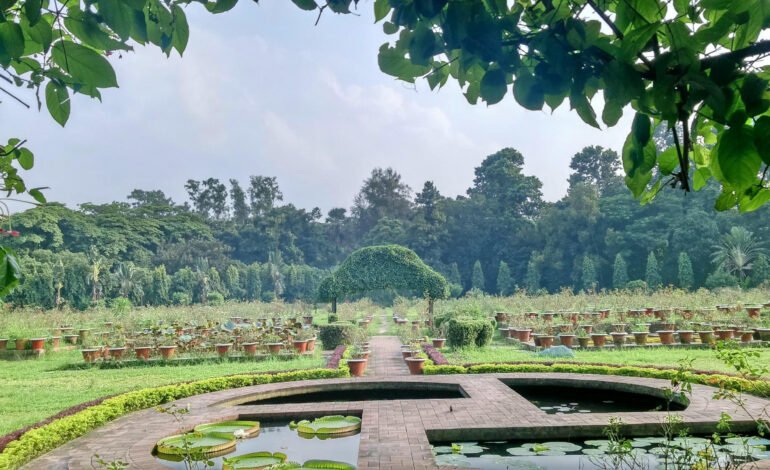

Bangladesh National Botanical Garden: A Green Sanctuary Shaping Conservation and Climate Awareness
The Bangladesh National Botanical Garden, located in Mirpur, Dhaka, stands as one of South Asia’s largest and most diverse plant conservation centers. Spread across 208 acres of lush green land, the garden has been a cornerstone of environmental education, biodiversity protection, and botanical research since its establishment in 1961. As global conversations on climate change, ecological protection, and sustainable cities intensify, this garden’s role has gained renewed importance both nationally and internationally.
A Historical Overview of Bangladesh’s Largest Botanical Facility
The botanical garden was created during the early 1960s to preserve native plant species and introduce exotic varieties from around the world. Over the decades, it evolved from a scenic public attraction into a dedicated center for scientific study. Today, researchers, students, and environmentalists visit regularly to study rare plants, monitor ecosystems, and promote green awareness.
With thousands of species, well-maintained pathways, and themed plant houses, the garden reflects Bangladesh’s long-standing commitment to nature, agriculture, and environmental stewardship.
A Living Museum of Global and Indigenous Plant Diversity
Thousands of Species Preserved in One Location
The Bangladesh National Botanical Garden is home to over 50,000 plants, including both native and imported varieties. Visitors can find:
- Medicinal plants essential to South Asian traditional healing
- Aquatic plants thriving in natural ponds and artificial lakes
- Exotic trees from Africa, Latin America, and Southeast Asia
- Rare orchids, cacti, and palms
- A large bamboo collection representing different species
This combination of local and foreign flora makes the garden a living museum of plant diversity, comparable to international botanical institutions such as the Singapore Botanic Gardens and India’s Acharya Jagadish Chandra Bose Botanical Garden.
A Research and Conservation Hub Supporting Global Environmental Goals
Protecting Endangered Species
As cities expand and agricultural land evolves, many plant species in Bangladesh are under threat. The National Botanical Garden conducts programs dedicated to preserving:
- Rare orchids
- Threatened medicinal herbs
- Endangered forest species
- Native fruit plants
These conservation efforts align with UN Sustainable Development Goal 15 (Life on Land), placing Bangladesh among the countries actively investing in biodiversity protection.
Educational Opportunities for Students and Scientists
Schools, colleges, and universities across Bangladesh regularly use the garden as an open-air classroom. Botany and environmental science students learn:
- Plant taxonomy
- Ecosystem behavior
- Climate impact on vegetation
- Conservation planning
Research institutions also conduct long-term studies on species adaptation, soil behavior, and water ecology. This makes the botanical garden a vital contributor to scientific knowledge within the region.
A Green Escape for Dhaka’s Urban Population
A Scenic Retreat Inside the Capital
Amid Dhaka’s dense traffic and limited green space, the botanical garden offers a refreshing contrast. Its large shaded areas, walking trails, and open fields provide:
- Clean air
- Quiet surroundings
- Nature-based recreation
- Birdwatching and photography opportunities
Families, students, and tourists visit throughout the year to enjoy the calm natural environment.
Global Relevance: How the Botanical Garden Connects Bangladesh to the World
As climate change accelerates, botanical gardens worldwide have become frontline institutions for conservation. The Bangladesh National Botanical Garden fits into this global network by:
- Sharing plant specimens with foreign botanical centers
- Adopting climate-adaptive cultivation methods
- Conducting research relevant to tropical and monsoon regions
- Supporting biodiversity preservation across South Asia
Bangladesh’s experiences with rising temperatures, river erosion, and seasonal changes make the garden an important case study for international climate researchers. Its conservation programs mirror global efforts seen in countries like Brazil, Australia, and Kenya, where natural habitats face similar pressures.
Special Attractions and Themed Sections
1. Orchid House
One of the most popular attractions, featuring rare and delicate orchid species collected from around the world.
2. Cactus House
Home to hundreds of desert plants, including species from Mexico, the United States, and North Africa.
3. Rose Garden
Seasonal roses bloom in vibrant colors, offering an ideal photography spot for visitors.
4. Bamboo Grove
A unique section showcasing diverse bamboo species important to rural livelihoods and ecological balance.
5. Aquatic Plant Area
Natural ponds and water gardens host beautiful lilies, lotuses, and wetland plants essential for water purification.
The Garden and Sustainable Tourism in Bangladesh
With rising interest in eco-tourism, the garden serves as a gateway for travelers seeking nature-based experiences. International tourists exploring Bangladesh’s cultural and natural heritage often include the garden in their travel plans alongside:
- The Sundarbans
- Cox’s Bazar
- Ratargul Swamp Forest
- Sylhet’s tea gardens
The presence of such a large botanical sanctuary inside the capital enhances Bangladesh’s global profile as a country invested in sustainability and green development.
Challenges and the Need for Modernization
Despite its beauty and importance, the National Botanical Garden faces challenges typical of large green spaces in developing cities:
- Limited modernization in research facilities
- Pressure from Dhaka’s urban expansion
- Maintenance and staffing constraints
- Need for upgraded technology for plant monitoring
Experts highlight the need for updated greenhouse systems, digital plant tracking, and stronger partnerships with global botanical networks.
Path Forward: Strengthening Conservation for the Future
Bangladesh’s agricultural richness and natural biodiversity are central to its identity. Strengthening the National Botanical Garden can support:
- Climate resilience
- Food security research
- Environmental education
- Eco-tourism growth
By investing in modern botanical research, expanding conservation facilities, and promoting public engagement, Bangladesh can position the garden as one of Asia’s premier centers for environmental knowledge.