



Bangladesh Marks March 25 with Symbolic Blackout: Remembering the Night That Changed History
Bangladesh is set to observe a symbolic one-minute blackout on March 25, a powerful national gesture to honour the victims of one of the darkest nights in its history. The observance marks Genocide Remembrance Day, commemorating the brutal military crackdown called ‘The Night of Operation Searchlight’ carried out by Pakistani forces on March 25, 1971.
This annual remembrance is deeply rooted in the country’s struggle for independence and collective memory. As the nation prepares to switch off lights for one minute, it also reflects on the events that unfolded on that tragic night and reshaped the destiny of Bangladesh forever.
Nationwide Blackout to Honour the Victims
According to official announcements, the blackout will take place from 10:30 pm to 10:31 pm across the country. However, essential services, key installations, and emergency facilities will remain operational to ensure safety and continuity.
The initiative is part of a broader national programme to mark Genocide Remembrance Day, observed annually on March 25 since it was formally recognized by the government in 2017.
The blackout serves as a symbolic act which represent the darkness that engulfed the nation on the night of March 25, 1971, when thousands of innocent lives were lost.
March 25, 1971: The Night of Operation Searchlight
The significance of March 25 lies in the events of 1971, when the Pakistani military launched Operation Searchlight, a coordinated assault aimed at suppressing the Bengali independence movement.
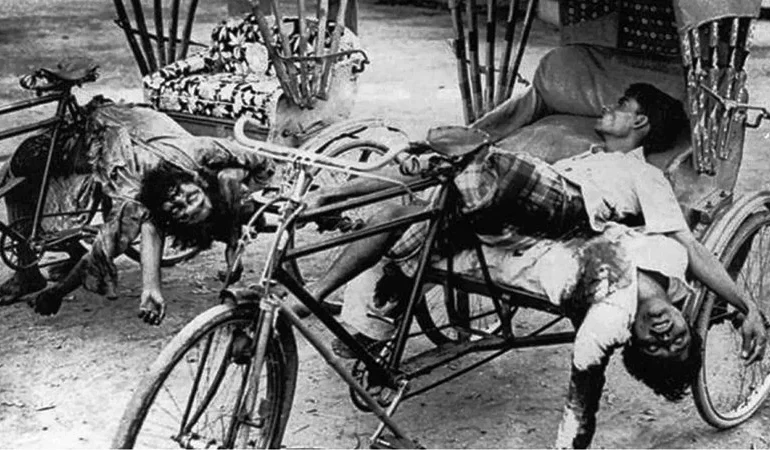
Late at night, heavily armed troops moved across Dhaka and other major cities, targeting civilians, students, intellectuals, and security personnel. Tanks rolled through the streets, and gunfire shattered the silence as the military began its crackdown.
Key locations attacked included:
- Dhaka University, where students and teachers were targeted
- Residential areas in Old Dhaka
- Police and paramilitary installations
- Cultural and political centers
The operation marked the beginning of what is widely recognized as the Bangladesh genocide, triggering a nine-month-long Liberation War.
Key Events Leading Up to the Night
To fully understand March 25, it is essential to look at the political context leading up to the crackdown:
1. Political Deadlock and Rising Tensions
After the 1970 general election, the Awami League, led by Sheikh Mujibur Rahman, secured a majority seats. However, the ruling Pakistani regime delayed the transfer of power, leading to widespread unrest.
2. Non-Cooperation Movement
In March 1971, Bangladesh (then East Pakistan) witnessed a massive non-cooperation movement. Government functions were effectively paralysed as people rallied for autonomy.
3. Sudden Military Action
On the evening of March 25, Pakistani leadership secretly prepared for military action. By midnight, Operation Searchlight was launched without warning.
Immediate Aftermath: Declaration of Independence
The brutality of March 25 did not silence the independence movement rather it was intensified.
- Sheikh Mujibur Rahman declared independence shortly after the crackdown began.
- He was later arrested by Pakistani forces.
- Resistance spread rapidly across the country, marking the beginning of the Liberation War of 1971.
- Major Ziaur Rahman announced the declaration on behalf of Sheikh Mujibur Rahman from the Kalurghat Free Radio Station in Chittagong on March 26, 1971.
Within months, the conflict escalated into a full-scale war, ultimately leading to the birth of Bangladesh on December 16, 1971.
Why the Blackout Matters Today
The one-minute blackout is more than a symbolic ritual—it is a reminder of:
- The cost of independence
- The resilience of the Bangladeshi people
- The importance of preserving historical truth
By turning off lights nationwide, citizens collectively recreate a moment of reflection, honouring those who lost their lives in the genocide.
Nationwide Observance and Programmes
Apart from the blackout, several programmes are organized across Bangladesh to mark the day:
Discussion and Educational Events
Schools, colleges, and universities hold discussions and seminars on the Liberation War and the events of March 25.
Cultural Programmes
Music, drama, and documentary screenings highlight the historical significance of the genocide and the struggle for independence.
Special Prayers
Mosques and other places of worship hold prayers for the victims of the massacre.
Exhibitions and Media Coverage
Rare photographs, documentaries, and archival materials are displayed to educate younger generations about the atrocities committed in 1971.
International Recognition and Ongoing Efforts
Bangladesh continues to push for global recognition of the 1971 genocide. International organisations and scholars have increasingly acknowledged the scale and brutality of the events.
The observance of Genocide Remembrance Day also plays a role in:
- Raising international awareness
- Strengthening historical documentation
- Promoting justice and remembrance
A Nation United in Memory
Every year, March 25 unites Bangladeshis across generations. For older generations, it is a painful memory; for younger citizens, it is a lesson in history and identity.
The symbolic blackout, though brief, carries immense emotional weight. It represents:
- A pause for remembrance
- A tribute to martyrs
- A reaffirmation of national identity
Remembering the Past, Shaping the Future
As Bangladesh prepares to observe the one-minute blackout on March 25, the nation once again reflects on a defining chapter of its history.
The events of that night were tragic, but they also ignited a movement that led to independence. By remembering March 25, Bangladesh not only honours its past but also reinforces its commitment to justice, freedom, and national unity.
The darkness of that night may have been overwhelming, but it ultimately gave rise to a new dawn to a sovereign Bangladesh.