



Bangladesh Inflation Drops in March but Global War Risks Still Threaten Economy
A Slight Relief for Bangladesh’s Economy
Bangladesh has recorded a modest decline in inflation, with the overall rate easing to 8.71% in March, offering a glimmer of relief for consumers and policymakers alike. The drop signals a slight stabilization after months of persistent price pressures, particularly in essential goods.
However, economists warn that this improvement may be temporary. Ongoing geopolitical tensions, especially in the Middle East, continue to pose significant risks to the country’s economic outlook.
Understanding the Drop in Inflation
The recent decline in inflation reflects a combination of factors, including improved supply conditions and government interventions aimed at controlling prices.
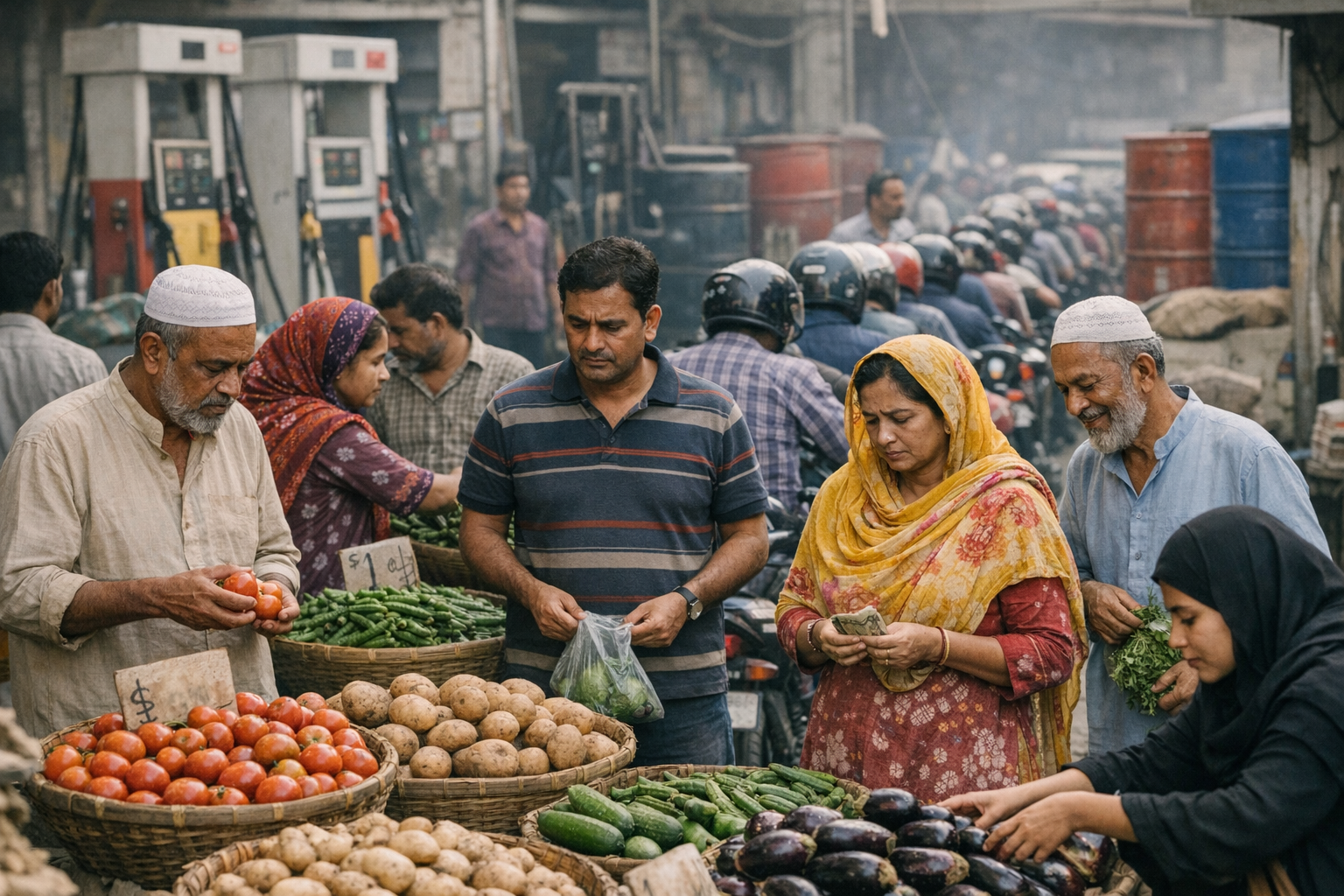
Food inflation, which has been one of the primary drivers of overall inflation, showed signs of easing. This is particularly important in Bangladesh, where food expenses account for a large share of household spending.
Non-food inflation also experienced a slight reduction, although it remains elevated due to high energy and transportation costs.
The moderation in inflation suggests that some of the earlier shocks such as supply chain disruptions and currency pressure may be stabilizing, at least in the short term.
Food Prices Still a Major Concern
Despite the overall decline, food inflation remains a critical issue for millions of Bangladeshis.
Prices of essential commodities such as rice, vegetables, and edible oil have seen fluctuations in recent months. Even when inflation slows, prices often remain high, meaning consumers do not necessarily feel immediate relief.
For low- and middle-income households, food costs continue to dominate monthly expenses. As a result, even small increases in food prices can have a significant impact on living standards.
Economists note that while the rate of increase has slowed, the absolute price level remains elevated, which continues to strain household budgets.
Global Conflict and Its Economic Impact
One of the biggest uncertainties facing Bangladesh’s economy is the ongoing conflict in the Middle East. The situation has disrupted global energy markets, leading to volatility in oil and gas prices.
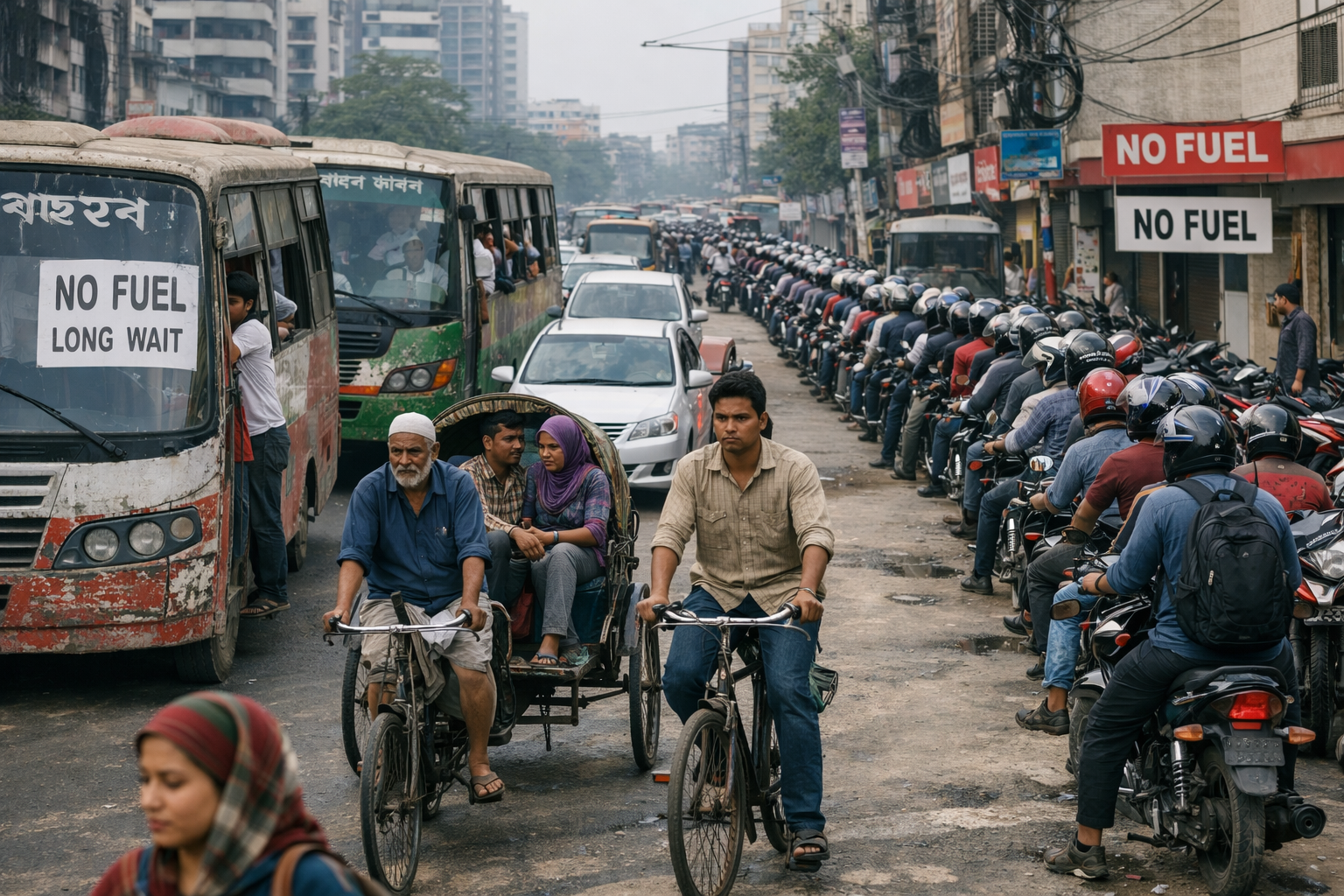
As a country heavily dependent on imported fuel, Bangladesh is particularly vulnerable to these changes. Rising energy costs can quickly translate into higher transportation and production expenses, which in turn drive inflation.
The war has also affected global supply chains, making it more difficult and expensive to import goods. This adds another layer of pressure on domestic prices.
In this context, the recent easing of inflation may not be sustainable if global conditions worsen.
Energy Prices: A Key Risk Factor
Energy prices play a central role in shaping inflation trends in Bangladesh.
Higher fuel costs increase:
- Transportation expenses
- Electricity generation costs
- Production costs for businesses
These increases are often passed on to consumers in the form of higher prices.
Even a small increase in global oil prices can have a ripple effect across the economy. This makes energy one of the most critical variables in determining whether inflation will continue to decline or rise again.
Government Measures to Control Inflation
The government has implemented several measures to manage inflation and protect consumers.
These include:
- Adjusting fuel subsidies
- Monitoring market prices
- Importing essential commodities
- Introducing energy-saving measures
Recent policies such as reduced office hours and early market closures are also aimed at lowering energy consumption, which could indirectly help control inflation.
While these measures provide short-term relief, their effectiveness depends on consistent implementation and global economic conditions.
Impact on Businesses and Consumers
For businesses, the easing of inflation offers some breathing room. Lower cost pressures can improve profit margins and encourage investment.
However, uncertainty remains a major concern. Companies are still dealing with:
- Fluctuating input costs
- Exchange rate volatility
- Supply chain disruptions
For consumers, the situation is mixed. While the slowdown in inflation is positive, many households continue to struggle with high living costs.
In urban areas, expenses related to housing, transportation, and food remain elevated, limiting the overall impact of the inflation decline.
Cautious Optimism
Economists have expressed cautious optimism about the recent data.
Some analysts believe that the decline in inflation indicates that policy measures are starting to take effect. Others warn that external risks, particularly from global conflicts, could quickly reverse this trend.
This cautious outlook reflects the broader uncertainty in the global economy.
Comparison with Previous Months
In recent months, Bangladesh has struggled with inflation rates hovering around or above 9%. The drop to 8.71% represents a step in the right direction, but it is still higher than the desired level.
Historically, maintaining inflation below 6% has been considered more stable for the economy. The current rate suggests that while progress is being made, there is still a long way to go.
The Road Ahead
Looking ahead, several factors will determine the trajectory of inflation in Bangladesh:
- Global oil prices
- Stability in the Middle East
- Exchange rate movements
- Domestic supply conditions
If global tensions ease and supply chains stabilize, inflation could continue to decline. However, any escalation in conflict or disruption could push prices higher again.
Long-Term Solutions
To achieve sustained control over inflation, Bangladesh needs to focus on structural reforms.
These include:
- Increasing domestic production of essential goods
- Expanding renewable energy sources
- Strengthening supply chains
- Improving market regulation
Reducing dependence on imports, particularly for fuel and food, will be crucial in building long-term resilience.
Looking Ahead
The decline in inflation to 8.71% in March offers a welcome sign of relief for Bangladesh’s economy. It reflects the combined impact of policy measures and improving supply conditions.
However, the broader picture remains uncertain. Global conflict, rising energy prices, and supply chain challenges continue to pose significant risks.
For now, the easing of inflation is a positive development but it is not a guarantee of stability. Bangladesh must remain vigilant and continue to adapt to an ever-changing global economic landscape.