

Bangladesh Independence Day: The Key Events That Led to 1971 Freedom
Bangladesh’s Independence Day is observed on March 26, which is one of the most significant national days in the country. While the date marks the official declaration of independence in 1971, it was the result of a series of decisive events that unfolded earlier that month.
To fully understand the importance of March 26, it is essential to examine the critical developments and events that led up to the declaration as the nation celebrates the 55th anniversary of the historic day.
Political Crisis After the 1970 Election
The path to independence began with the 1970 general elections in Pakistan. The Awami League, led by Sheikh Mujibur Rahman, won a majority and had the constitutional right to form the government.
However, the central government in West Pakistan refused to transfer power. This decision triggered widespread protests across East Pakistan (now Bangladesh), as millions demanded recognition of their democratic mandate.
By early March 1971, tensions had escalated into a full political crisis.
March 7, 1971: A Speech That Changed History
On March 7, 1971, at the Racecourse Ground in Dhaka, Sheikh Mujibur Rahman delivered a historic speech that would define the course of events.
Addressing a massive crowd, he called for resistance against oppression and urged the people to prepare for struggle. Although he did not formally declare independence, his message made it clear that the demand for autonomy had reached a turning point.
This speech effectively mobilized the entire population and is widely regarded as a defining moment in the lead-up to independence.
March 7–24: The Non-Cooperation Movement
Following the speech, a nationwide non-cooperation movement took shape. During this period:
- Government institutions in East Pakistan stopped functioning under central authority
- Civil administration began operating under local leadership
- The population followed directives from Sheikh Mujibur Rahman
In practical terms, East Pakistan began functioning independently, even before an official declaration was made.
March 25, 1971: Operation Searchlight
On the night of March 25, 1971, the Pakistani military launched Operation Searchlight, a coordinated crackdown aimed at suppressing the growing protest in the East Pakistan.
The operation targeted civilians, students, intellectuals, and political activists, particularly in Dhaka. University campuses and residential areas were attacked, resulting in widespread casualties.
This marked a critical turning point, as it eliminated any remaining possibility of a political solution.
March 26, 1971: Declaration of Independence
In the early hours of March 26, 1971, following the crackdown, Sheikh Mujibur Rahman declared the independence of Bangladesh.
Although he was arrested shortly after, the declaration was transmitted across the region, inspiring widespread resistance.
This moment officially marked the beginning of the Bangladesh Liberation War.
The Liberation War and Final Victory
Following Sheikh Mujibur’s arrest, then-Major Ziaur Rahman declared the independence of Bangladesh. After the declaration, the situation escalated into a full-scale war. The Mukti Bahini (freedom fighters), along with ordinary citizens, organized resistance against the Pakistani military.
With support from India later in the year, the war continued for nine months, ending in victory on December 16, 1971.
Why These Events Still Matter
The events between March 7 and March 26 are central to understanding Bangladesh’s national identity.
Political Awareness
They highlight the importance of democratic rights and public representation.
Unity and Resistance
They show how a population united in the face of injustice.
Historical Responsibility
They serve as a reminder of the sacrifices made for independence.
Independence Day in Modern Bangladesh
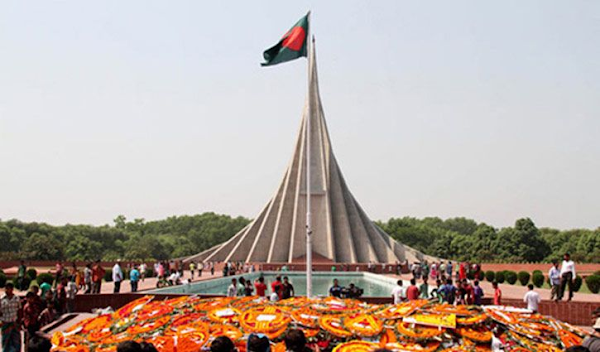
Today, Independence Day is observed through national ceremonies, flag hoisting, and cultural programs. However, its deeper significance lies in the historical journey behind it.
Meanwhile, technology has transformed how national events are observed. Independence Day is now as much a digital experience as it is a physical one.
On March 26:
- Social media platforms are filled with tributes and discussions
- Young creators produce content related to history and identity
- Online campaigns promote awareness and unity
This digital engagement ensures that Independence Day remains relevant to younger audiences.
Celebration Meets Reflection
While traditional celebrations continue such as flag hoisting, cultural programs, and official ceremonies the tone of Independence Day is gradually becoming more reflective.
In cities like Dhaka, the day is marked not just by celebration, but also by discussion.
Citizens increasingly use the occasion to evaluate:
- The country’s progress since 1971
- The challenges that remain
- The direction Bangladesh should take in the future
This balance between pride and reflection is a sign of a maturing national identity.
Global Bangladesh and the Diaspora
Bangladesh’s global presence has expanded significantly, and Independence Day plays an important role in maintaining cultural connections abroad.
Bangladeshi communities around the world celebrate March 26 by:
- Organizing cultural events
- Sharing the country’s history with younger generations
- Strengthening community ties
These celebrations reinforce Bangladesh’s identity on a global scale.
Challenges That Shape the Future
Despite its progress, Bangladesh still faces several challenges:
- Economic inequality
- Climate change risks
- Urban overcrowding
- Employment opportunities for youth
Independence Day serves as a reminder that freedom is not static—it requires continuous effort and accountability.
Looking Ahead
Independence Day of Bangladesh is a powerful reminder of the nation’s struggle for freedom and its journey toward progress. It honors the courage of its people and the vision of its leaders.
For Bangladesh, March 26 represents the culmination of leadership, resistance, and the determination of a people to achieve freedom.
The Independence Day is not just a single event but a the result of a sequence of defining moments. From the powerful speech on March 7 to the tragic события of March 25 and the declaration on March 26, each step played a crucial role.
As Bangladesh celebrates March 26 each year, it not only remembers the past but also looks ahead to a brighter future. The spirit of independence continues to inspire generations, making this day a lasting symbol of pride and unity