


Bangladesh Earns Direct Entry to 2028 T20 World Cup Despite 2026 Absence
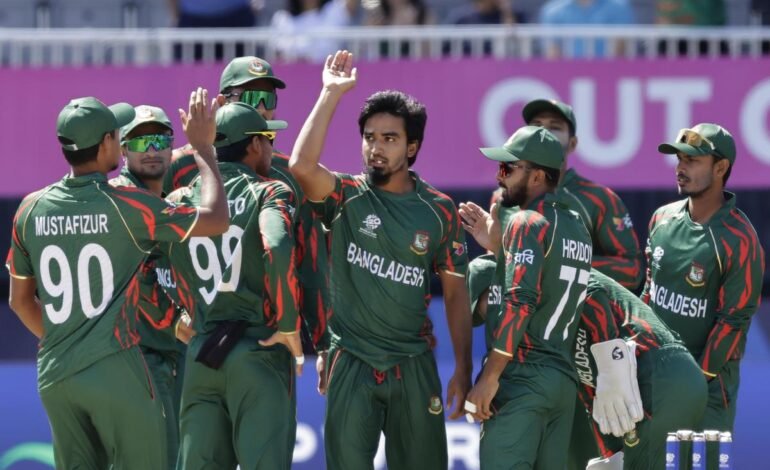

Bangladesh Earns Direct Entry to 2028 T20 World Cup Despite 2026 Absence
Bangladesh has secured automatic qualification for the 2028 ICC Men’s T20 World Cup, set to be jointly hosted by Australia and New Zealand, even after missing out on the 2026 edition. This confirmation provides a significant boost to the Bangladesh national cricket team, which offers stability and a clear target for future preparations.
The qualification marks a rare instance where Bangladesh will be present at the T20 World Cup without needing to play qualifiers, a testament to the team’s ICC T20I ranking position and its established status as a Full Member nation. It also underlines how international cricket structures can offer continuity even after disruptions, such as Bangladesh’s withdrawal from the 2026 event.
How Bangladesh Qualified Directly
Unlike the 2026 World Cup where Bangladesh withdrew because its cricket board and government would not send the team to play matches scheduled in India and the IC denied to change venue, the 2028 qualification was confirmed through ICC rankings and earlier performance measures.
Under the ICC’s tournament structure for the 20-team 2028 T20 World Cup, automatic qualification is granted to:
1. Co-hosts Australia and New Zealand
2. The eight teams that reached the Super Eight stage in the 2026 edition
3. Three additional teams based on ICC T20I rankings as of March 9, the day after the 2026 final
Although Bangladesh did not participate in the 2026 tournament, its ranking currently No. 9, placed it among the top teams eligible for automatic entry, alongside Afghanistan and Ireland. With no remaining international T20 fixtures before the March 9 deadline, Bangladesh’s position was secure.
This system balances performance with consistent competitive ranking, allowing teams to qualify based on long-term results rather than only on one tournament appearance.
2026 Withdrawal and Its Aftermath
Bangladesh’s absence from the 2026 Men’s T20 World Cup was highly unusual. The Bangladesh Cricket Board (BCB) and the national government maintained that there were security and safety concerns regarding matches scheduled in India. They formally requested that Bangladesh’s matches be moved to co-host Sri Lanka, a request that was rejected by the ICC after extensive evaluation of security assessments.
When Bangladesh declined to play in India under the existing schedule, the ICC applied its regulations and replaced Bangladesh with Scotland in the tournament lineup. As a result, the Tigers did not participate in the 2026 World Cup, sparking debate and disappointment among fans and stakeholders.
Despite this setback, the ICC also clarified that no sanctions or penalties would be imposed on the Bangladesh Cricket Board for the withdrawal, allowing Bangladesh to retain full membership rights and future participation privileges.
Why the 2028 Qualification Matters
1. Assurance of Competitive Continuity
The automatic berth allows Bangladesh to focus on long-term planning and performance rather than regional qualifiers, which can be unpredictable and taxing on resources. This guarantees Bangladesh’s presence at a marquee global event nearly two years before the tournament, enabling targeted preparations.
2. Confidence Booster After Controversy
Missing one World Cup can have negative consequences for team morale and global perception. Securing direct entry in 2028 helps rebuild confidence in the team’s competitive trajectory and maintains Bangladesh’s relevance in top-tier cricket.
3. Development Pathway for Players
With automatic qualification assured, selectors and coaches can strategically rotate players, test bench strength, and integrate emerging talent into the T20 setup, a format where Bangladesh has historically produced exciting performances.
Bangladesh Cricket’s Recent T20 History
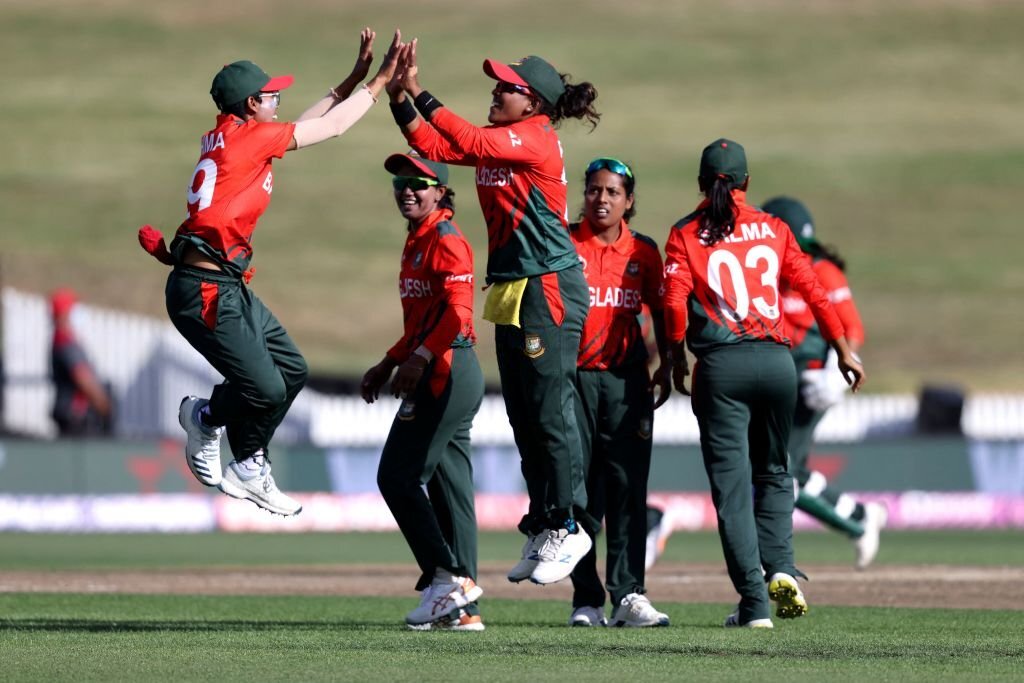
Bangladesh has been a regular presence in ICC T20 World Cups since the format’s inception in 2007, participating in every edition until 2026. Their best performance came in the 2024 World Cup, where Bangladesh advanced to the Super Eight stage, finishing in the top eight for the first time — a milestone that contributed significantly to their ranking status used for 2028 qualification.
Despite not securing titles, Bangladesh’s growth in the shortest format has been steady, building on performances in global events, bilateral T20 series, and franchise leagues such as the Bangladesh Premier League (BPL).
What Lies Ahead: Building Toward 2028
With the 2028 World Cup on the horizon, Bangladesh cricket will need comprehensive planning and preparation to compete effectively in conditions expected in Australia and New Zealand. Both countries are known for pitches that offer pace, bounce, and variable weather conditions factors that demand a well-balanced squad with adaptable skills.
Key Focus Areas for Bangladesh Cricket
Fast-bowling development: Australia and New Zealand conditions often assist pace bowlers; strengthening this department is crucial.
Middle overs strategy: Teams increasingly win T20 matches through effective spin variations and tight death bowling.
Batting adaptability: Scoring quickly on faster surfaces will test batting depth and technique under pressure.
Bangladesh’s domestic structure and coaching setup will play a pivotal role in preparing emerging players for international conditions, with sustained exposure in global franchise leagues offering added experience.
Reaffirming Bangladesh’s ICC Status
The ICC has maintained a balance between tournament participation and broader membership rights. Bangladesh’s direct qualification underscores that the national team’s overall standing and track record remain strong and valued in international cricket circles, even amid administrative disagreements during the 2026 cycle.
This recognition also reflects a policy emphasis by the ICC to reward sustained performance and long-term development, rather than basing qualification solely on one World Cup, particularly when unique political and safety considerations affect participation.
Public and Media Reactions
Fans, former players, and cricket commentators in Bangladesh have had varied reactions to both the 2026 withdrawal and the 2028 qualification.
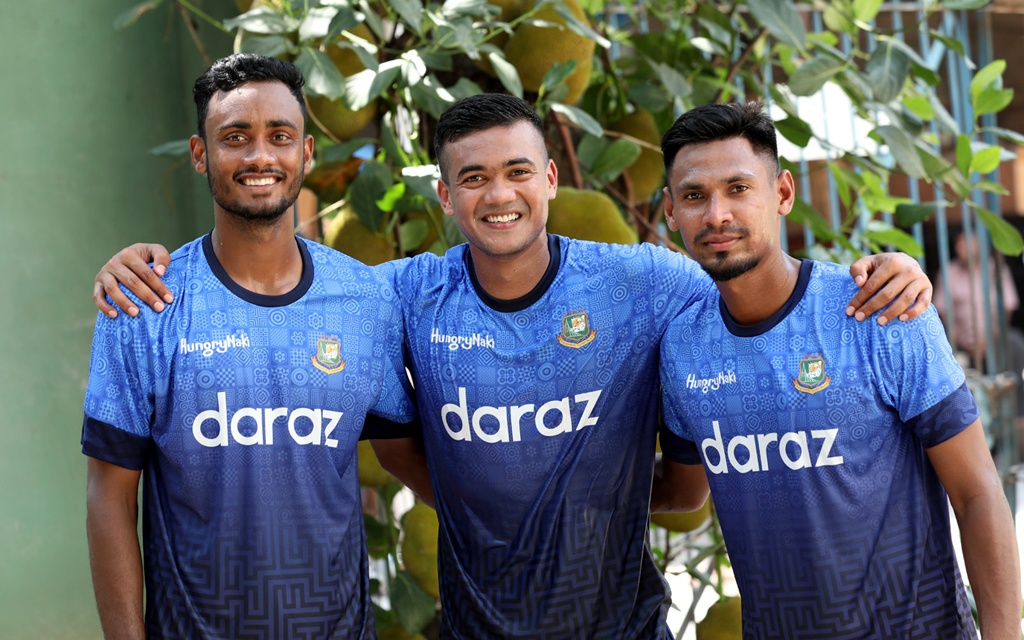
Some expressed disappointment over missing the 2026 tournament, believing the team lost a chance to compete at the highest level. Others supported the decision, citing national security and dignity as paramount especially after diplomatic tensions surrounding Mustafizur Rahman’s release from the Indian Premier League (IPL).
The direct qualification for 2028 is generally seen as positive news, offering a path forward and a renewed national focus on cricket performance.
Looking Toward 2028
The 2028 ICC Men’s T20 World Cup will be a 20-team event, featuring automatic qualifiers like Australia, New Zealand, India, Pakistan, England, South Africa, and others, with Bangladesh now among them. The remaining eight spots will be filled through regional qualifiers, increasing the competitive quality and diversity of the tournament.
For Bangladesh, participating in a major global event in 2028 presents opportunities to:
- Re-establish competitive momentum
- Engage younger players in world cricket
- Expand fan engagement locally and overseas
- Leverage experience for future global assignments
A New Chapter for Bangladesh Cricket
Bangladesh’s direct qualification for the 2028 ICC Men’s T20 World Cup despite its absence from the 2026 edition is a testament to the national team’s resilience and international standing. The assurance of participation in one of cricket’s most anticipated global tournaments provides clarity for selectors, players, and administrators alike.
With strategic planning, squad development, and targeted preparation, Bangladesh has the potential to make a strong impact in the 2028 World Cup, building on past performances, ranking strengths, and passion for the sport that resonates with millions of fans at home and around the world.