

Bangladesh Voices Deep Concern Over Safety of Citizens in Middle East Amid Rising Tensions
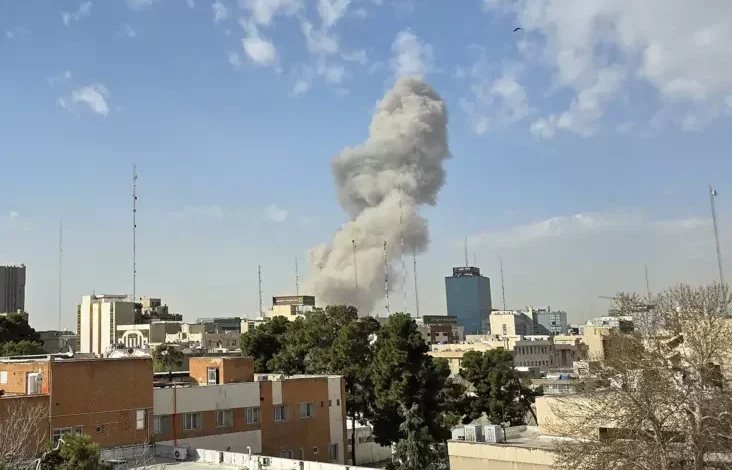

Bangladesh Voices Deep Concern Over Safety of Citizens in Middle East Amid Rising Tensions
The government of Bangladesh has expressed deep concern over the safety and welfare of its citizens living and working in the Middle East, following escalating hostilities in the region. With millions of Bangladeshis residing across Gulf and Middle Eastern countries for employment, the situation has drawn significant attention from policymakers, diplomats, and families back home. Recent developments have prompted urgent diplomatic discussions and precautionary measures as Dhaka monitors the evolving crisis closely.
This issue is not only a diplomatic matter but also a humanitarian and economic concern, as overseas workers contribute significantly to Bangladesh’s remittance inflow. The government’s response underscores the importance of safeguarding expatriates while advocating for peace and stability in a region critical to Bangladesh’s labor market.
Dhaka’s Official Response to Middle East Tensions
Bangladesh formally voiced its concern over the latest escalation of hostilities in the Middle East, emphasizing the need for immediate de-escalation and dialogue among the involved parties. The Ministry of Foreign Affairs reiterated that conflict offers no solution and urged all sides to exercise restraint and pursue diplomatic efforts to restore peace.
An emergency meeting involving key government officials, including the foreign minister, state minister for foreign affairs, and senior diplomatic advisers, was held to review the situation and assess possible risks to Bangladeshi nationals in the region. During the meeting, officials communicated directly with Bangladesh’s diplomatic mission in Tehran to evaluate security conditions and the welfare of students and expatriates.
The government also reaffirmed its consistent stance supporting sovereignty, territorial integrity, and peaceful resolution of disputes in the Middle East. Such diplomatic messaging reflects Bangladesh’s broader foreign policy approach of advocating dialogue rather than confrontation in international conflicts.
Measures Taken to Ensure Safety of Bangladeshis
In response to rising tensions, the Bangladesh government has already initiated steps to protect its diplomats, embassy staff, and students in affected areas. Authorities have strengthened security measures at diplomatic missions and are maintaining close communication with Bangladeshi communities abroad.
Additionally, Bangladesh missions in several Gulf countries have issued safety advisories urging expatriates to remain cautious and follow local government instructions. Nationals have been advised to avoid sensitive locations such as military installations and to stay updated through official channels until the situation stabilizes.
These precautionary actions highlight the government’s effort to proactively respond to a potentially volatile geopolitical environment that could impact thousands of Bangladeshi workers, students, and professionals.
Impact on Migrant Workers and Travel
One of the immediate consequences of the ongoing crisis has been disruptions to air travel and migration flows. Suspension of air traffic and restrictions in regional airspace have already affected Bangladeshi workers traveling to the Middle East for employment.
The Middle East remains one of the largest destinations for Bangladeshi migrant workers, many of whom work in construction, domestic services, and other labor-intensive sectors. Any prolonged instability in the region could disrupt employment opportunities, remittance flows, and migration processes.
Reports have also indicated confusion and concern among travelers and migrant workers as flight disruptions and geopolitical tensions complicate travel plans. Such disruptions highlight how international conflicts often have ripple effects far beyond the immediate conflict zones.
Why the Middle East Matters for Bangladesh
The Middle East plays a crucial role in Bangladesh’s economy due to the large number of migrant workers employed there. Remittances sent by overseas workers represent a major source of foreign exchange for the country. Stability in host countries is therefore essential not only for the safety of expatriates but also for Bangladesh’s economic stability.
Bangladeshi expatriates have long been part of the workforce in countries such as Saudi Arabia, the United Arab Emirates, Kuwait, and Qatar. Their contributions help support families back home and drive economic development across Bangladesh.
However, geopolitical tensions in the region often create uncertainties for migrant workers. Conflicts can disrupt labor markets, affect visa policies, and sometimes force workers to return home unexpectedly. In such circumstances, government intervention becomes critical in ensuring their protection and safe repatriation if necessary.
Bangladesh’s Diplomatic Approach to Regional Conflicts
Bangladesh has traditionally maintained a balanced diplomatic stance on international conflicts, focusing on peace, dialogue, and multilateral cooperation. In the current situation, Dhaka has reiterated its commitment to international law and peaceful negotiations as the primary solution to disputes in the Middle East.
This diplomatic approach aligns with Bangladesh’s broader foreign policy strategy, which emphasizes stability and constructive engagement with global partners. By calling for restraint and dialogue, Bangladesh seeks to contribute to international efforts aimed at preventing further escalation.
Such a stance also reflects the country’s understanding of how global conflicts can affect domestic priorities, including migration, trade, and economic growth.
Concerns of Families Back Home
The growing tension in the Middle East has also sparked concern among families of migrant workers in Bangladesh. Many rely heavily on remittances sent by relatives working abroad, and any disruption can have immediate financial consequences.
Families often follow international news closely during such crises, hoping for reassurance about the safety of their loved ones. Government updates and embassy communications play an important role in keeping them informed.
Moreover, the emotional toll of uncertainty can be significant, particularly when communication becomes difficult due to disruptions or security concerns.
The Broader Global Context
The Middle East has historically been a region prone to geopolitical tensions, and any escalation can quickly become a global concern. For countries like Bangladesh, which have strong economic and social ties with the region, developments there can influence multiple sectors from labor migration to international diplomacy.
Global efforts to de-escalate tensions are therefore closely monitored by countries whose citizens live and work in the region. Bangladesh’s call for dialogue reflects a broader international consensus that stability in the Middle East is essential for global security and economic continuity.
Ensuring Safety and Stability
As the situation in the Middle East continues to evolve, Bangladesh remains vigilant in monitoring developments and ensuring the safety of its citizens abroad. The government’s diplomatic engagement, safety advisories, and coordination with foreign missions demonstrate a proactive approach to protecting expatriates.
Moving forward, maintaining strong communication channels with Bangladeshi communities overseas will be crucial. At the same time, international diplomatic efforts aimed at reducing tensions will play a key role in determining how the situation unfolds.
For Bangladesh, safeguarding its people abroad remains a priority. The country’s response to the current crisis highlights not only its concern for expatriates but also its commitment to peace and stability on the global stage.