




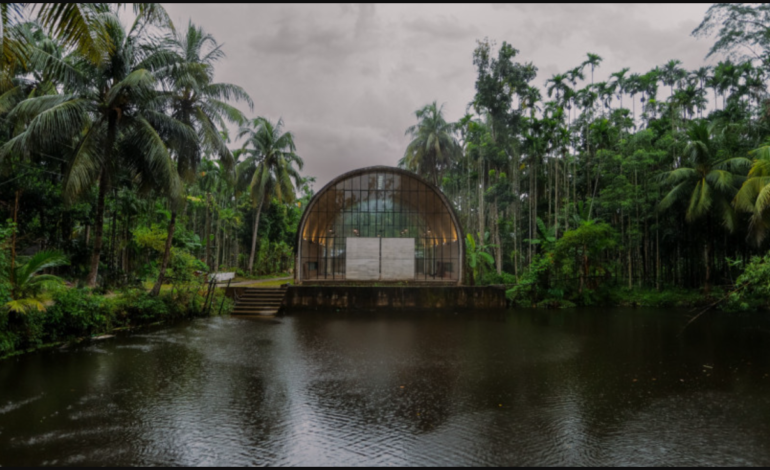

Baitul Mamur Jam-e Mosque: A Tranquil Prayer Space Amidst the Greenery of Lakshmipur
Baitul Mamur Jam e Mosque has become one of the most admired new religious structures in Lakshmipur. Surrounded by acres of greenery and built with a modern yet deeply spiritual architectural vision, the mosque stands as a serene place where worship tradition and contemporary design meet with remarkable harmony. What makes this mosque truly special is its peaceful setting, its openness to natural light and its thoughtful design that places human experience at the center. As more people seek calm spaces away from the rush of growing towns, this mosque is gradually becoming a model for a new approach to spiritual architecture in Bangladesh.
A Mosque Inspired by Nature and Simplicity
Located in Mohadevpur village of Lakshmipur, Baitul Mamur Jam e Mosque immediately captures attention with its simple and powerful visual identity. The design is based on a rectangular form that looks clean and timeless against the surrounding green landscape. The architect Kazi Fida Islam of Kazi Fida Architects wanted the structure to feel like a peaceful presence in nature rather than a visual interruption. The result is a building that feels grounded, elegant and calm.
The most striking element of the exterior is the vaulted roof that appears to lift the building upward. The form is uncommon in this region and has already become a distinctive feature that both villagers and visitors remember. Rather than relying on decorative complexity, the architect used basic geometry and natural materials to create an atmosphere of quiet beauty. This approach respects both local values and contemporary design principles.
An Interior that Encourages Contemplation
One of the strongest achievements of the mosque is its open and unobstructed interior. The main prayer hall contains no internal columns which allows the entire space to function as one unified volume. Worshippers enter an area that feels expansive, gentle and uncluttered. The absence of visual barriers helps people focus more easily on prayer and reflection.
The interior corners are rounded and softened which removes any sense of sharpness. This subtle design choice has a psychological effect. The architect believed that spiritual spaces should not feel closed or rigid. Instead they should invite stillness and reflection. The curved edges help create a gentle emotional response and offer a calming sensation to anyone who enters.
The walls are kept simple with minimal ornamentation. Natural materials and soft colors contribute to the atmosphere of quiet contemplation. The entire environment has been shaped so that every person who enters feels a connection to both the spiritual purpose of the place and the natural world surrounding it.
Natural Light as a Spiritual Guide
One of the most carefully designed features of the mosque is its use of natural light. The building has transparent surfaces on both the eastern and western sides that allow daylight to move through the interior from morning to evening. North south openings ensure cross ventilation and maintain a comfortable temperature throughout the day.
This strategy reduces dependence on artificial cooling and lighting. Sunlight forms gentle patterns on the floor during prayer time. These patterns move throughout the day and add a sense of rhythm to the interior. The experience of praying under naturally lit space reinforces the sense of harmony between worship and nature.
The thoughtful use of openings also ensures proper airflow. This is especially important for rural mosques where people gather in large numbers during weekly prayers. The natural ventilation makes the space more comfortable and sustainable in a warm tropical climate.
Landscape Features that Support Cooling and Comfort
Beyond the building itself, the surrounding landscape plays a central role in shaping the overall experience. A pond on the western side of the mosque has become one of its defining environmental features. During the afternoon when temperatures rise the water body helps cool the air and create a more comfortable atmosphere around the building.
There is also an ongoing plan to plant native trees around the mosque. These trees will eventually form a natural shade canopy that protects the structure and its visitors from heat. They will strengthen the local ecosystem and provide seasonal variation in color, light and texture. The combination of greenery and water creates a living environment that supports prayer comfort and sustainability.
The use of the natural setting as part of the design shows a thoughtful understanding of rural climate and community needs. This is a meaningful example of environment friendly architecture that remains sensitive to the cultural expectations of a religious structure.
A Growing Center of Community Life
Since the mosque opened it has become more than a place for daily prayers. People from the nearby areas visit regularly not only for worship but also for quiet retreat. Many locals say that the combination of nature and open space offers them a calming experience that is rare in their daily routine.
Friday prayers draw a larger number of people who appreciate the space for its comfort and openness. Community members often stay for some time after prayer to sit quietly or talk with others in the cool breeze near the pond. Over time this mosque has begun to function as a social and spiritual hub.
Local residents express pride that such a thoughtful structure has been built in their community. Visitors from other districts come to observe the architecture and experience the natural surroundings. This attention has helped place Lakshmipur on the map for those interested in modern religious architecture in Bangladesh.
A New Direction for Mosque Architecture in Bangladesh
The success of Baitul Mamur Jam e Mosque offers valuable insight into how future mosques in Bangladesh can balance tradition nature and modern design. Many rural mosques follow conventional designs without considering environmental context or human comfort. This project demonstrates that simplicity and thoughtful planning can create spaces that are more spiritually fulfilling and environmentally responsible.
The design shows how a mosque can serve as a place of prayer while also acting as a cultural landmark and community gathering point. It demonstrates that modern architecture does not need to conflict with religious values. Instead both can strengthen each other when approached with care and respect.
The building also highlights the importance of sustainable design in a region facing rising temperatures. Natural cooling daylight and open ventilation are not only environmentally wise but also cost effective for communities that may not have resources for complex mechanical systems.
Conclusion
Baitul Mamur Jam e Mosque stands today as a powerful example of how architecture can deepen the spiritual experience. Set within green fields and designed with a focus on natural light openness and environmental harmony the mosque represents a new chapter in rural religious architecture in Bangladesh. It serves worshippers with dignity offers visitors a peaceful retreat and inspires future projects that blend tradition with modern design values.