


From Football Field to State Office: Aminul Haque Signals a New Era for Bangladesh Sports
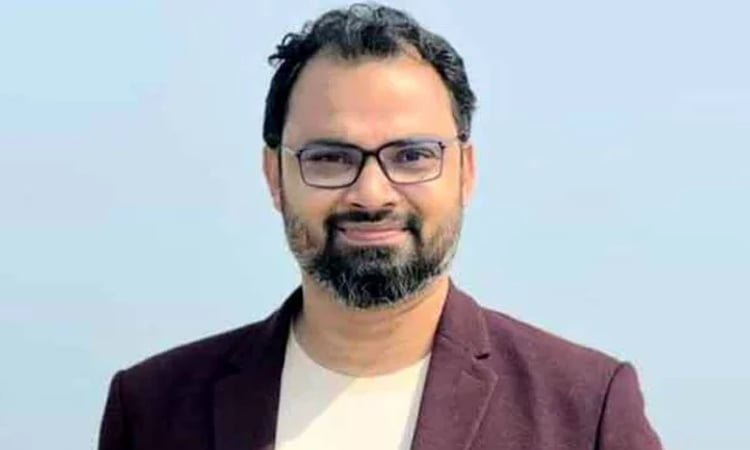

From Football Field to State Office: Aminul Haque Signals a New Era for Bangladesh Sports Governance
Bangladesh’s sports is entering to a pivotal phase after former national football captain Aminul Haque was appointed State Minister for Youth and Sports, an elevation that blends athletic credibility with political responsibility. His first public directives, including a call for unrestricted media access at the Bangladesh Cricket Board (BCB), point to a reform-minded agenda aimed at transparency, professionalism, and athlete-first governance.
The appointment is notable not only because Aminul is an athlete-turned-minister, but also because it arrives at a moment when Bangladesh’s sporting institutions are under scrutiny over governance, accountability, and athlete welfare. His message is clear: sports must be run by sportspeople, not overshadowed by politics.
A Sportsman Steps Into Power
Aminul Haque is best known as a former national football goalkeeper and captain. After retiring from competitive football, he entered politics and later joined the Bangladesh Nationalist Party (BNP). Despite losing his constituency race in Dhaka-16, he was brought into the cabinet as a technocrat in the Tarique Rahman–led government, an unusual but symbolic move that places practical sporting experience at the heart of policymaking.
Speaking shortly after his appointment, Aminul laid out his primary objective: to establish sports as a viable profession for athletes. “The first target is to establish sports as a profession for the athletes before taking further steps,” he said, underscoring a shift away from treating athletics as a side pursuit toward recognizing it as a legitimate career path.
For many young players across Bangladesh, this promise resonates deeply. Limited institutional support, uncertain income streams, and weak grassroots structures have long pushed talented athletes out of competitive sport. Aminul’s background gives him firsthand insight into these struggles.
Opening the Doors: Media Access at the BCB
One of Aminul’s first decisions as state minister was to instruct the BCB to lift restrictions on journalists operating at board premises, including Mirpur’s Sher-e-Bangla National Cricket Stadium.
“I don’t know why you have been forbidden to enter the venue. From now on you will go to the stadium and work there freely,” Aminul told reporters, adding that he would personally ask the BCB CEO to ensure open access.
This move is widely seen as a push toward greater institutional transparency. Over recent years, sports journalists have faced varying degrees of limitation when covering administrative developments inside the cricket board—fueling criticism about opacity in decision-making.
The BCB welcomed Aminul’s appointment, with its president Aminul Islam calling it “a significant step for Bangladesh,” and pledging close cooperation with the ministry to promote sports at all levels.
The Bangladesh Football Federation echoed similar sentiments, with federation president Tabith Awal congratulating Aminul and expressing hope for deeper collaboration between football authorities and the government.
Keeping Politics Out of Play
Perhaps Aminul’s most ambitious pledge is his determination to reduce political interference in sports administration.
“Keeping sports arena away from politics is not possible in one day,” he admitted, acknowledging decades of entrenched practices. Still, he emphasized his desire to hand responsibility back to people from the sports fraternity, coaches, former players, and administrators with technical expertise.
He also openly criticized the BCB elections held in October last year, describing them as “dubious,” and vowed to sit with stakeholders to chart a better path forward for cricket governance.
This stance aligns with long-standing demands from athletes and observers who argue that politicized boards weaken competitive performance and discourage private investment.
A Broader Reform Agenda
Beyond media access and governance, Aminul touched on several sensitive issues, including ongoing legal cases involving senior cricketers Shakib Al Hasan and Mashrafe Bin Mortaza. While stressing that these matters fall under government jurisdiction, he expressed hope that they would be resolved swiftly so both players could return to Bangladesh’s cricketing landscape.
His remarks signal a conciliatory approach, balancing rule of law with the recognition that experienced players remain vital to mentoring the next generation.
Sports federations across disciplines have already reached out to the new minister, suggesting an early willingness to engage with his reform agenda.
Why Aminul’s Appointment Matters
Aminul Haque’s rise to state minister is more than a personal milestone as it represents a broader experiment in athlete-led governance.
Historically, Bangladesh’s sports ministries have been staffed largely by career politicians or bureaucrats. Aminul breaks that pattern. His lived experience of training camps, limited resources, and international competition gives him a practical lens through which to evaluate policy.
Key expectations from his tenure include:
- Professionalization of athletes through structured contracts and development pathways
- Transparency in sports federations, starting with media access
- Grassroots investment, especially in schools and district-level competitions
- Governance reform to reduce political capture of sporting bodies
If realized, these goals could help Bangladesh move closer to regional rivals who have successfully blended public funding with professional management.
Challenges Ahead
Despite the optimism, Aminul faces steep obstacles. Institutional inertia, competing political interests, and budget constraints could slow progress. Reforming bodies like the BCB—where power networks are deeply rooted—will require sustained political backing and public support.
There is also the broader task of aligning cricket-centric funding with other sports such as football, hockey, and athletics, which often struggle for visibility and resources.
Still, Aminul’s early actions suggest he intends to lead from the front.
A Turning Point for Bangladesh Sports?
From ordering open access for journalists to calling out flawed elections, Aminul Haque has begun his tenure with unusually direct language. For athletes and fans alike, his appointment offers cautious hope that Bangladesh may finally place sports professionals at the center of sports policy.
Whether this translates into lasting structural change remains to be seen. But for now, Bangladesh’s sporting community is watching closely as one of their own attempts to reshape the system from the inside moving from the goalpost to government, and from personal achievement to national responsibility.
If Aminul succeeds, his journey could redefine what leadership in Bangladeshi sports truly looks like.