


Amar Ekushey 2026: Bangladesh Prepares to Honor the Language Martyrs

Amar Ekushey 2026: Bangladesh Prepares to Honor the Language Martyrs
Every year on 21 February, Bangladesh observes Amar Ekushey, also known as Language Martyrs’ Day and International Mother Language Day. The day commemorates the historic Language Movement of 1952, when students and activists sacrificed their lives to establish Bangla as a state language. In 2026, the nation once again prepares to pay tribute to the martyrs whose sacrifices shaped the cultural and political identity of Bangladesh.
Across the country, government institutions, educational establishments, cultural organisations, and citizens are preparing for ceremonies, tributes, and cultural programmes that reflect the significance of this historic day.
The Nation Set to Observe Amar Ekushey
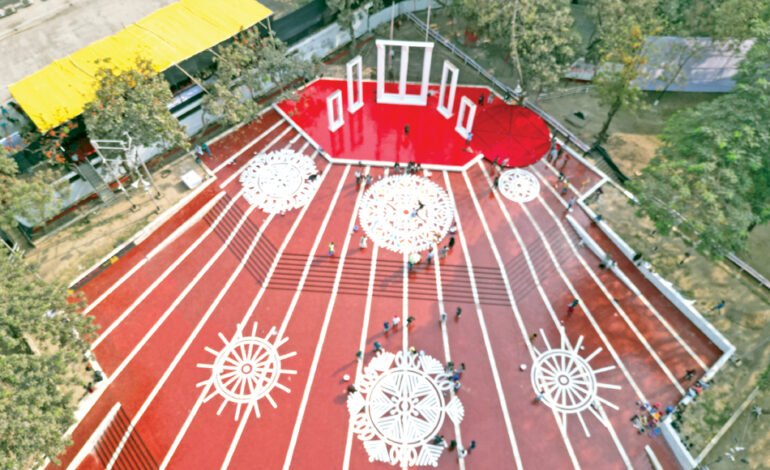
Bangladesh is set to observe Amar Ekushey with deep respect and solemnity, honouring the martyrs who sacrificed their lives in 1952 to establish Bangla as a state language. Preparations have been underway nationwide, with the Central Shaheed Minar in Dhaka and other memorial sites decorated ahead of the commemorations.
People from all walks of life: students, professionals, political leaders, and cultural activists traditionally gather at Shaheed Minars across the country to place floral wreaths and pay homage to the language heroes. This symbolic act reflects the nation’s gratitude and remembrance of those who laid down their lives for linguistic rights.
The observance also includes cultural programmes, discussions, and recitations of patriotic songs that highlight the importance of language, identity, and national unity.
The History Behind Amar Ekushey
The significance of Amar Ekushey traces back to the Bengali Language Movement, which began in 1948 in what was then East Pakistan. After the creation of Pakistan, the central government declared Urdu as the sole national language, despite the majority of the population speaking Bangla.
This decision sparked widespread protests among students, intellectuals, and ordinary citizens in East Pakistan who demanded recognition of Bangla as a state language.
The movement reached its climax on 21 February 1952, when students from Dhaka University and activists organised demonstrations despite a government ban on public gatherings. Police opened fire on the protesters, killing several students including Abdus Salam, Abul Barkat, Rafiq Uddin Ahmed, Abdul Jabbar, and Shafiur Rahman.
These tragic events transformed the protest into a defining moment in the history of Bangladesh. After years of struggle, the government of Pakistan eventually recognised Bangla as one of the state languages in 1956.
The Language Movement not only secured linguistic rights but also strengthened Bengali nationalism and contributed to the later independence movement of Bangladesh.
Why Amar Ekushey Is Important for Bangladesh
Amar Ekushey holds deep emotional and historical significance for the people of Bangladesh. It symbolizes:
1. The Struggle for Linguistic Rights
The Language Movement was one of the rare moments in world history when people sacrificed their lives for the recognition of their mother tongue. It demonstrated the power of cultural identity and the determination of a nation to protect its language.
2. The Birth of Bengali Nationalism
The events of 1952 strengthened the sense of unity among Bengalis and played a major role in shaping the country’s political future. The movement is widely seen as a stepping stone toward the Liberation War of 1971.
3. A Symbol of Cultural Pride
Bangla language, literature, and culture are central to Bangladesh’s identity. Amar Ekushey reinforces the importance of preserving and promoting the mother tongue in education, governance, and society.
International Recognition: International Mother Language Day
The impact of the Language Movement extends far beyond Bangladesh. In 1999, UNESCO officially declared 21 February as International Mother Language Day, recognising the sacrifices made during the movement and promoting linguistic diversity worldwide.
Since 2000, the day has been observed globally to raise awareness about language preservation and cultural diversity. For Bangladesh, this international recognition represents a source of national pride and global acknowledgment of its historic struggle.
Traditions and Observances on Amar Ekushey
Amar Ekushey is observed with a mix of solemn remembrance and cultural celebration. Some of the key traditions include:
Visiting the Shaheed Minar
Thousands of people walk barefoot to the Central Shaheed Minar at midnight to place flowers in memory of the language martyrs. The ritual symbolises respect and gratitude for their sacrifices.
Singing Patriotic Songs
Songs such as “Amar Bhaier Rokte Rangano Ekushey February” are sung during the ceremonies, reminding the nation of the sacrifices made in 1952.
Cultural and Educational Events
Educational institutions organise discussions, seminars, art exhibitions, and essay competitions highlighting the history of the Language Movement and its relevance today.
Nationwide Tributes
Government officials, diplomats, political leaders, and citizens across Bangladesh participate in programmes to honour the language heroes.
Amar Ekushey in Contemporary Bangladesh
Even decades after the Language Movement, Amar Ekushey continues to influence national policies and cultural discourse. The day serves as a reminder of the importance of using Bangla in administration, education, and public life.
Many scholars and cultural leaders argue that the spirit of Ekushey should encourage the promotion of Bangla at all levels of society while also respecting linguistic diversity across the world.
In addition, the observance of Amar Ekushey strengthens Bangladesh’s global image as a nation that values cultural identity and language rights.
The Legacy of Ekushey
As Bangladesh prepares to observe Amar Ekushey in 2026, the significance of the day remains as powerful as ever. It is not just a memorial day but a reminder of the courage and determination of a nation that fought for its linguistic identity.
The Language Movement continues to inspire generations to preserve their cultural heritage and protect the rights of languages worldwide. For Bangladesh, Amar Ekushey stands as a symbol of unity, resilience, and pride.
In a Nutshell
Amar Ekushey is more than a national observance, it is a defining chapter in Bangladesh’s history. The sacrifices made in 1952 shaped the country’s identity and helped secure the recognition of Bangla as a state language. Today, the day reminds Bangladesh and the world of the importance of protecting linguistic diversity and cultural heritage.
As the nation prepares to observe Amar Ekushey once again, the memory of the language martyrs continues to inspire pride, respect, and commitment to the values they fought for.