



5 Gen Z Leaders Poised to Transform Bangladesh’s Parliament After 2026 Election


Five Gen Z Leaders Poised to Transform Bangladesh’s Parliament After 2026 Election
Bangladesh’s 13th national parliamentary election was historic not only for its broader political outcomes, but also for a new wave of Generation Z (Gen Z) leaders securing seats in the Jatiya Sangsad (JS). Born between 1997 and 2012, these leaders represent a generational shift in Bangladeshi politics, bringing youthful energy, fresh perspectives, and grassroots experience to national governance. Their victories signal evolving political engagement among Bangladesh’s younger population and reflect a broader appetite for change following the 2024 mass movement that upended the country’s political landscape.
Among the five Gen Z leaders now entering the parliament are Abdul Hannan Masud, Hasnat Abdullah, and Nahid Islam, figures whose backgrounds, roles in recent political movements, and election success merit close attention.
Gen Z’s Growing Presence in Bangladesh’s Political Landscape
In the 2026 general election, Bangladesh saw a notable increase in youth participation and representation. Although at least 23 Gen Z candidates ran for parliament, only five emerged victorious, a reminder that youth activism and electoral success are distinct yet interconnected pursuits.
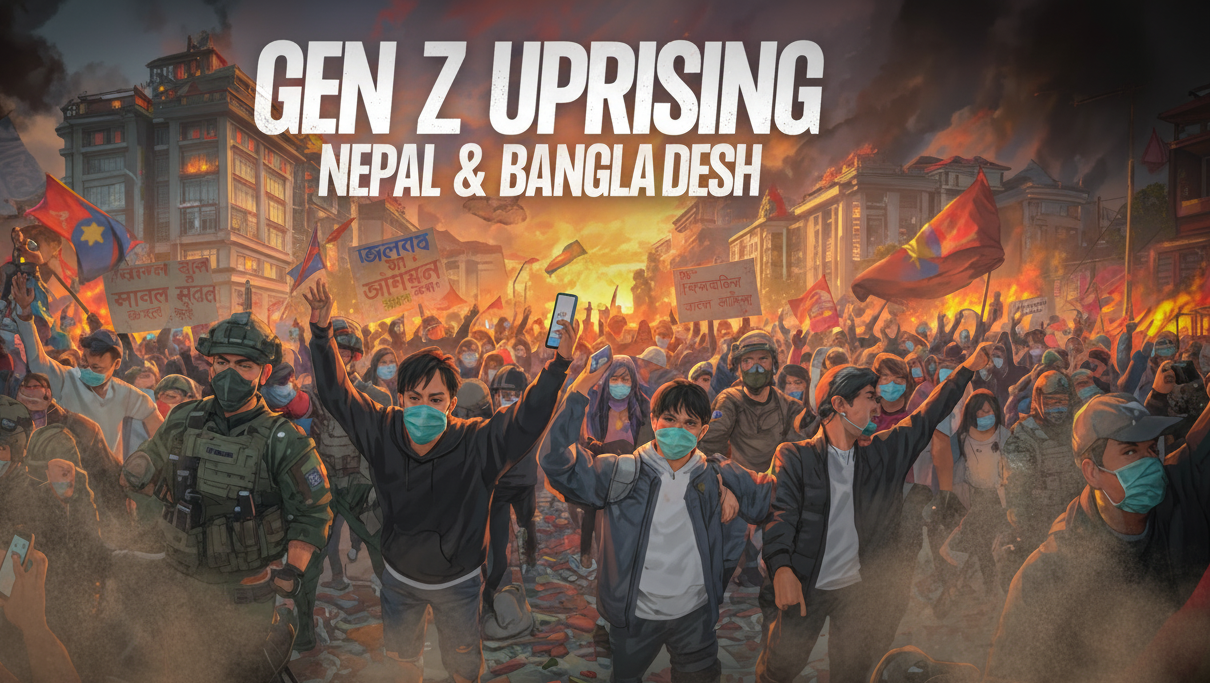
Their victories stem largely from their involvement with the National Citizen Party (NCP) and the Bangladesh Khelafat Majlish, both of which were part of the 11-party alliance formed for the 2026 polls. The NCP was established in the aftermath of the 2024 nationwide protests led by young activists, a movement widely described as a Gen Z uprising.
Though mainstream parties like the Bangladesh Nationalist Party (BNP) dominated election results overall, the emergence of Gen Z representatives highlights a generational reshuffle in political participation. Many analysts view the involvement of these younger leaders as a step toward diversifying political voices and injecting new policy priorities into national discourse.
Who Are the Five Gen Z Leaders Entering the Jatiya Sangsad?
The successful Gen Z candidates include four from the National Citizen Party and one from the Bangladesh Khelafat Majlish. Their election victories were part of a broader alliance led by the Bangladesh Jamaat-e-Islami, which worked with younger parties to expand its electoral reach.
Here’s a closer look at the newly elected Gen Z MPs:
1. Abdul Hannan Masud — Youngest MP at 26
Abdul Hannan Masud became the youngest member of parliament in the 13th JS at just 26 years old after winning the Noakhali-5 seat.
Born on January 1, 2000, Masud gained national attention as a front-line leader during the July uprising of 2024, a student-led movement that mobilised youth nationwide and helped catalyse political change. His election victory marked his first foray into formal politics, and he ran as a candidate backed by the 11-party alliance under the Shapla Koli election symbol.
Masud’s success highlights the potential for grassroots activists to transition into formal political roles. His background as a youth leader during mass protests gives him unique credibility and suggests that generational priorities like employment, education reform, and civic engagement could gain more prominence in legislative debates.
2. Hasnat Abdullah — Chief Organiser Turned Championed MP
Hasnat Abdullah, at 27 years old, became one of the most talked-about Gen Z MPs after his decisive win in the Cumilla-4 (Debidwar) constituency.
As the Chief Organiser for the Southern Region of the NCP, Abdullah played a strategic leadership role in campaign outreach and youth mobilisation. His victory, with a commanding margin of over 110,000 votes earned him recognition as a rising political figure with a strong grassroots base.
Abdullah’s win illustrates the importance of organisational leadership and constituency mobilisation in Bangladesh’s evolving political environment. His electoral success, especially in a competitive region like Cumilla, indicates that youth candidates can appeal to wider demographics beyond strictly young voters.
3. Nahid Islam — Leading the Charge from Dhaka-11
Another standout Gen Z winner is Nahid Islam, 27 years old, who secured the Dhaka-11 seat by a narrow yet decisive margin, approximately 2,000 votes, winning 93,872 against his nearest rival’s 91,833.
As Convener of the National Citizen Party, Islam emerged as a key organisational figure in the party’s formation and campaign strategy. Unlike some newcomers whose influence is largely symbolic, Islam combines youth appeal with practical political leadership. His role in the NCP’s evolution from protest movement to electoral contender underscores the potential for Gen Z leaders to shape both grassroots and institutional politics.
Islam’s position in Dhaka, the political heart of Bangladesh also places him at a strategic vantage point to influence national policy and parliamentary dynamics in years ahead.
4. Akhtar Hossain — Member Secretary and Parliamentary Debut
Akhtar Hossain, 28 years old, won the Rangpur-4 seat with 149,966 votes, defeating his closest adversary.
As the Member Secretary of the National Citizen Party, Hossain’s contributions to party planning and coordination were integral to campaign operations. His win not only demonstrates the NCP’s organisational strength but also highlights how younger leaders with strategic party roles can successfully translate activism into electoral victories.
5. Said Uddin Ahmad Hanzala — A Win From Outside the NCP
The sole Gen Z representative not from the NCP is Said Uddin Ahmad Hanzala, 28 years old, who won the Madaripur-1 seat contesting under the Bangladesh Khelafat Majlish banner.
Hanzala’s narrow victory further signifies that Gen Z’s political reach extends beyond a single party framework. Each of these MPs whether from the NCP or allied parties reflects the broader generational awakening and the increasing willingness of voters to entrust younger figures with legislative responsibilities.
The Significance of Gen Z Representation in Parliament
The entry of these five Gen Z leaders into the Jatiya Sangsad marks a historic moment for Bangladesh. In a political system traditionally dominated by older leaders from long-established parties, youth representation offers new possibilities for diversifying political discourse.
While some political observers have noted that the rise of Gen Z leaders did not translate into a dominant youth party majority in parliament, the presence of young MPs ensures that voices shaped by recent experiences, including the 2024 movement are represented at the national level.
Gen Z parliamentarians are uniquely positioned to advocate on issues that resonate with younger populations, such as:
- Job creation and economic reform
- Access to quality education
- Digital innovation and technology policy
- Civic rights and political transparency
- Climate change and sustainability
Their lived experience of grassroots activism and digital engagement equips them to frame policy debates in ways that align with a future-oriented vision for Bangladesh’s development.
Challenges and Opportunities Ahead
Despite their success, the new cohort of Gen Z leaders entering parliament faces significant challenges. Politics in Bangladesh remains highly competitive, with entrenched parties and established political networks holding substantial influence. For Gen Z MPs to effect meaningful change, coalition-building and policy negotiation skills will be crucial.
Moreover, while their entry into the legislature is noteworthy, these leaders must balance representational expectations with the practical realities of parliamentary work, a transition that requires expertise, political maturity, and institutional navigation skills.
Their effectiveness will also depend on their ability to engage with constituents beyond youth populations and articulate policy priorities that resonate across age groups and demographics.
A New Chapter in Bangladesh’s Political Story
The 2026 general election in Bangladesh was remarkable not only for its broader political outcomes but also for ushering in a new generation of parliamentarians. With figures like Abdul Hannan Masud, Hasnat Abdullah, and Nahid Islam, among others, Gen Z leaders now contribute directly to national decision-making.
Their election signals that Bangladeshi voters are increasingly open to diverse leadership and that political movements rooted in youth activism are beginning to take formal shape within the country’s governance structures. While the long-term impact of these young MPs remains to be seen, their presence in the Jatiya Sangsad marks an important step in bridging generational divides and shaping the future of Bangladesh’s democratic journey.